Why Our Toddler Needed More Time to Adapt to Daycare
When Mike started daycare, we already knew one thing: we could not force this process.
Not because daycare is bad.
Not because he was “difficult.”
Simply because of who he is.
Mike has always been a more reserved child. More observant. More cautious emotionally.
He is the type of toddler who studies a room before entering it emotionally.
And honestly, he reminds us a lot of Andy.
So instead of pushing rapid adaptation, we decided to let him adjust in his own rhythm.
That decision changed everything.
Some Toddlers Need a Slower Daycare Transition
One thing parenting teaches you very quickly is that children adapt differently.
Some toddlers walk into daycare and immediately:
- play,
- socialize,
- eat,
- nap peacefully.
Others need time.
A lot of time.
Mike definitely belonged in the second category.
For the first months, he only stayed from 8 AM until noon.
No lunch nap there.
No full-day schedule.
No pressure.
And honestly?
People questioned that decision constantly.
But we knew our child.
Shy Toddlers Often Observe Before Participating
At first Mike barely ate there.
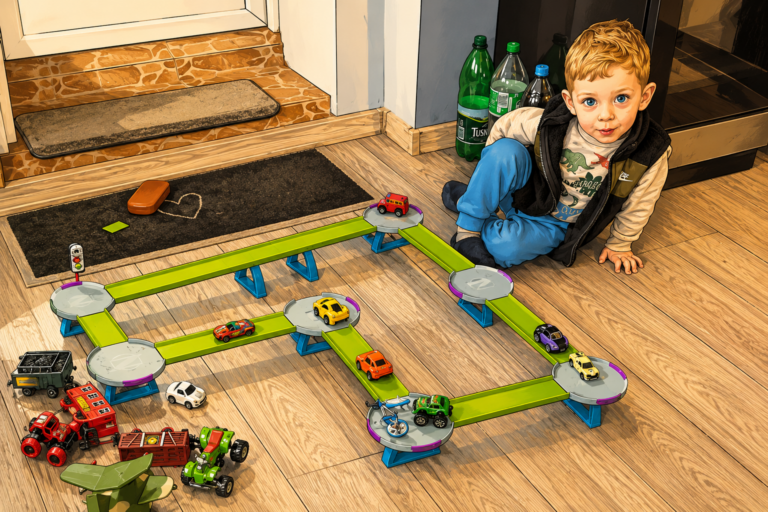
He mostly played alone.
Stayed quieter.
Watched other children carefully.
And, if you compare your child constantly to louder, more outgoing kids, this phase can become motionally difficult for parents too.
Because you start wondering:
- Is this normal?
- Should we intervene more?
- Is he unhappy?
- Are we doing something wrong?
But over time we realized something important:
Mike was adapting.
Just slowly.
Gentle Daycare Adaptation Worked Better for Our Child
Instead of forcing socialization, we focused on emotional safety first.
That mattered enormously.
The daycare teachers helped too.
A lot.
Slowly, Mike became:
- more relaxed,
- more playful,
- more social,
- more comfortable eating there.
And eventually something beautiful happened.
After months of gradual adaptation, Mike came to us himself and said he wanted to sleep there with the other children.
That moment felt huge emotionally. Because it came naturally.
Not from pressure.
Not from fear.
Not from us insisting constantly.
From him.
Why We Believe Less Pressure Helped Our Toddler
Some children respond well to “toughening up.”
Mike absolutely does not.
The more emotionally safe he feels, the more naturally confident he becomes.
And honestly, allowing Andie to stay home with him for over two years while Andy worked remotely probably helped too.
The transition into daycare did not feel abrupt emotionally.
It happened gradually.
And for a sensitive toddler, that matters a lot.
Then the Daycare Illnesses Started
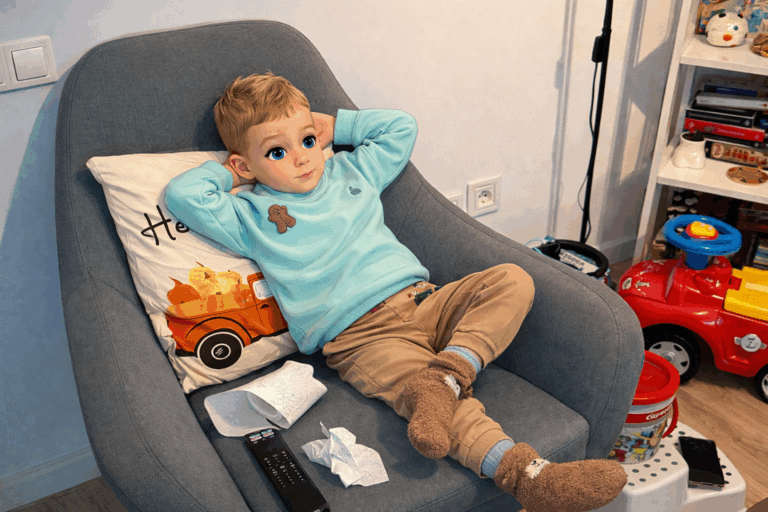
Unfortunately, once Mike started staying longer at daycare – especially sleeping there – the illnesses became constant.
And we mean constant.
It quickly became:
- 2 or 3 days at daycare,
- 2 weeks recovering at home.
Over and over again.

Respiratory infections.
Fever.
Coughing.
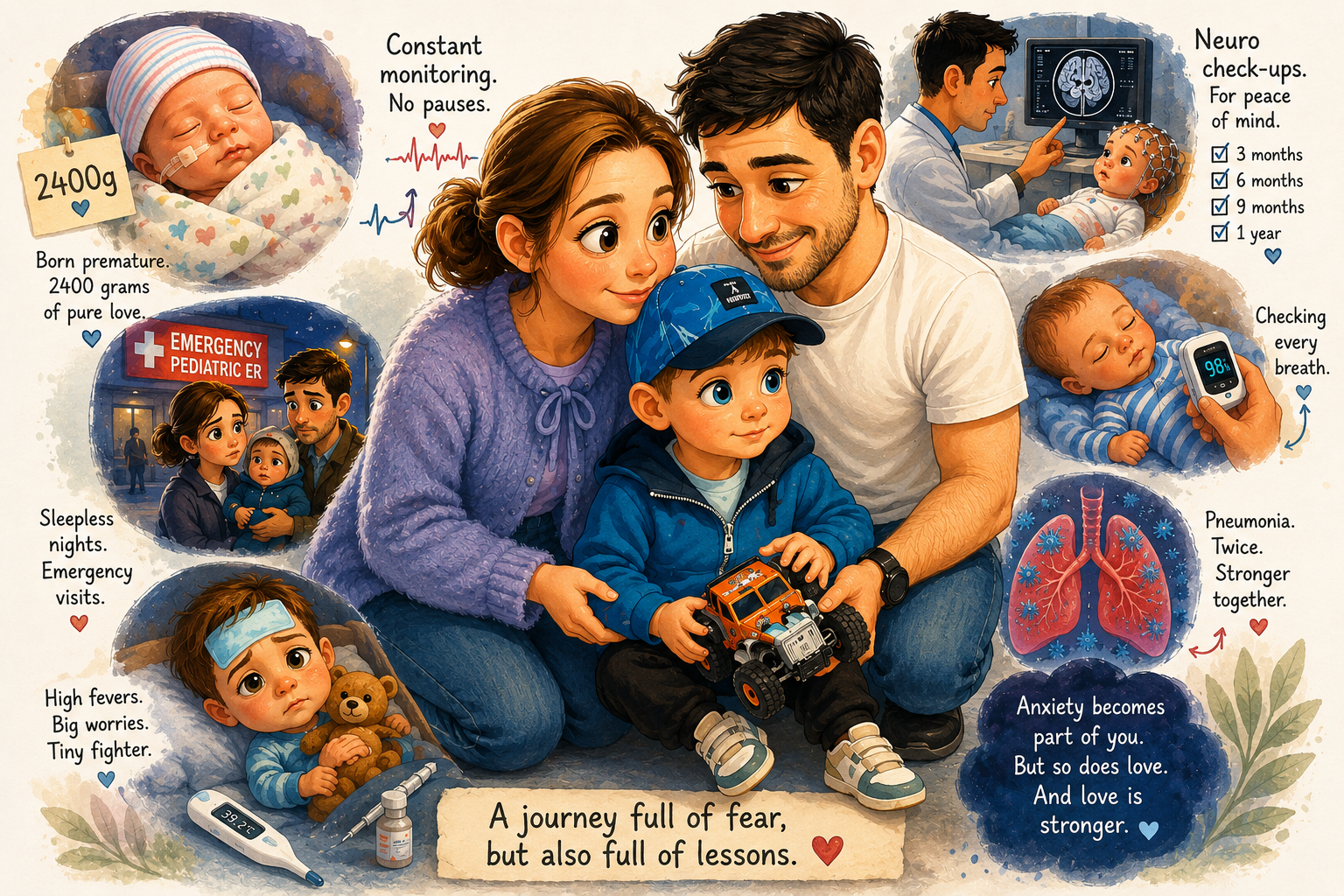
Eventually even pneumonia.
Twice.
That part was brutal emotionally.
Daycare Germs Are Normal. But That Does Not Make It Easy
Yes, rationally we know exposure to viruses happens in daycare.
Every parent hears that.
But living through it feels very different.
Especially when your child reacts strongly to illnesses. Especially when you end up in hospitals.
Especially when you start monitoring breathing sounds at night like traumatized amateur doctors.
At one point we temporarily removed Mike from daycare completely to allow his body to recover properly. And honestly, we do not regret that decision at all.
What We Learned About Parenting a Sensitive Toddler
The biggest lesson daycare taught us is this: children are not machines.
There is no universal adaptation timeline.
Some children need:
- more time,
- more reassurance,
- slower transitions,
- emotional predictability.
And that is okay.
Parenting Without Constant Pressure Changed Everything
One thing we consciously avoided was turning daycare adaptation into emotional stress.
We did not:
- shame him,
- compare him constantly,
- force interactions,
- panic publicly around him.
Instead, we tried to support him quietly while trusting that confidence would come gradually.
And it did.
Slow Progress Is Still Progress
This may honestly be the most important thing we learned.
Because parenting culture often glorifies fast milestones.
Fast adaptation.
Fast independence.
Fast socialization.
But many children grow beautifully through slower transitions.
Mike certainly did.
And watching him slowly become comfortable, social, playful, and emotionally secure in his own rhythm taught us something valuable as parents too: sometimes the best thing you can do for a child is simply stop rushing them.
Privacy & Image Disclaimer
To protect our family’s privacy, all images on this blog are real-life moments, visually transformed into cartoon-style illustrations using AI. The stories are real. The emotions are real. The people are real. The art style is simply our way of keeping intimacy safe.