What I Wish I Had Known in the First 6 Months of Motherhood
If someone had asked me during the first six months of motherhood, “How are you really doing?” I probably would have said, “We’re fine.”
But what I wish I had known is this: surviving and thriving are not the same thing.
And survival is enough in the beginning.
1. The First 6 Months With a Baby Are Not Linear
One week you think you’ve figured it out.
The next week everything changes.
Sleep shifts.
Feeding patterns change.
Growth spurts happen.
Colic appears.
Colds show up.
You adjust again.
When people search “why is my baby suddenly different?” or “is it normal for newborn sleep to change?” – they’re often experiencing this exact non-linear development.
Babies don’t progress in straight lines.
Neither do mothers.
2. Postpartum Emotions Are Bigger Than You Expect
Hormones after birth are powerful. Add:
- lack of sleep
- physical recovery
- feeding challenges
- responsibility
And you have a perfect storm for emotional overload.
Postpartum blues are common.
Postpartum depression is real.
Anxiety is common.
Guilt is almost universal.
I wish I had known that emotional instability in the early months does not mean weakness. It means transition.
3. You Will Question Everything
In the first six months, I Googled daily:
- Is this poop normal?
- Is he eating enough?
- Is this rash dangerous?
- Is this sleep regression?
- Is he breathing normally?
When you bring a newborn home, especially a premature one, hypervigilance becomes part of your nervous system.
You watch the soft spot on their head.
You notice their breathing patterns.
You observe eye movements during sleep.
It feels intense because it is intense.
But most of it is normal development.
4. Milestones Are Guidelines, Not Deadlines
There’s pressure around:
- holding their head up
- sitting
- rolling
- starting solids
But development happens at different rhythms.
For example, when Mike started sitting steadily around six months, we introduced the potty. Not because a book told us to, but because his body was ready.
Flexibility matters more than rigid timelines.
5. Feeding Anxiety Is Real
Between pumping, supplementing, bottle warming, monitoring intake, and later introducing solids, feeding felt like an exam we were constantly failing.
But babies are adaptive.
Your job is not perfection.
Your job is consistency.
6. You Don’t Become Confident Overnight
Confidence grows quietly.
One day you realize:
- You changed a diaper in the dark without panic.
- You handled a mild fever calmly.
- You survived a sleepless night and still functioned.
Confidence builds through repetition.
If I Could Tell Myself One Thing
It would be this:
You are not behind.
You are not failing.
You are learning in real time.
The first six months are about adaptation, not mastery.
And that’s enough.
Privacy & Image Disclaimer
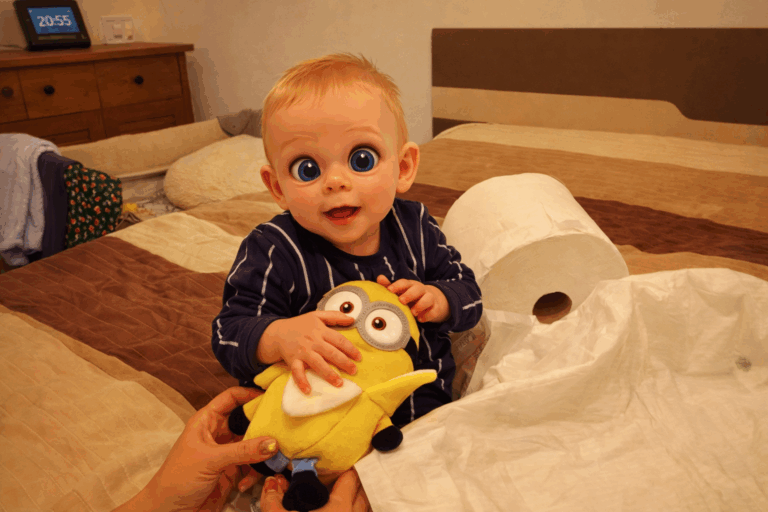
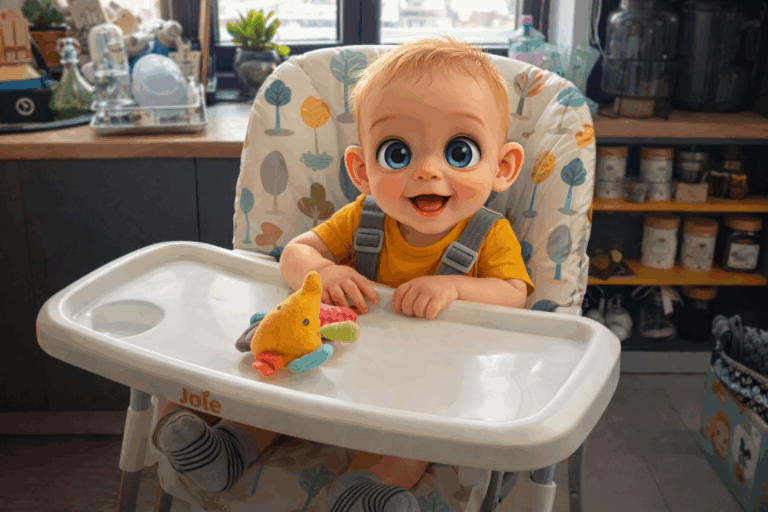
To protect our family’s privacy, all images on this blog are real-life moments, visually transformed into cartoon-style illustrations using AI. The stories are real. The emotions are real. The people are real. The art style is simply our way of keeping intimacy safe.