How Our Feeding Decisions Changed as Our Baby Grew
Or, from exclusive pumping to solids and toddler preferences.
When Mike was born, feeding felt like the most important decision of our lives. Over time, we learned something unexpected: feeding decisions don’t stay fixed. They evolve as your baby grows.
Many parents search for answers like:
- How should I feed my newborn?
- Should I breastfeed or use formula?
- How do I introduce solids safely?
- What if my toddler refuses food?
What we learned is that baby feeding isn’t a single choice. It’s a journey.
Stage 1: Feeding a Premature Newborn
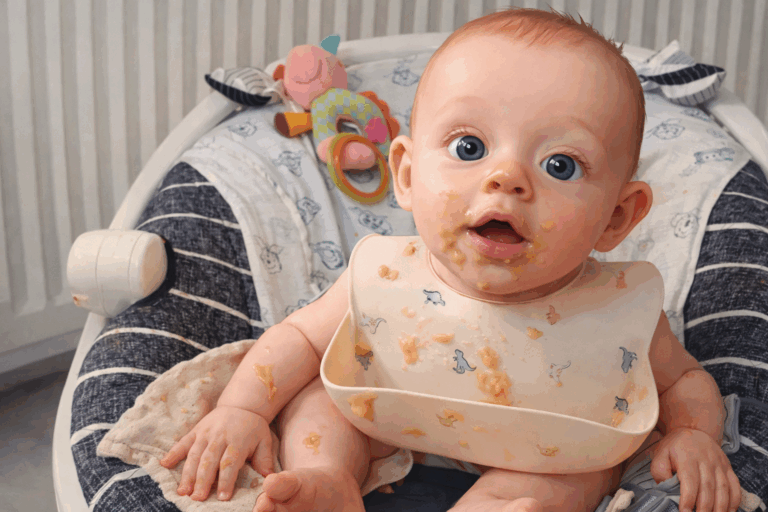
Mike was born premature. Breastfeeding did not happen the way we imagined. Andie pumped exclusively for eight months, and we supplemented when needed. At first, every milliliter mattered. We measured bottles carefully, worried about weight gain, and followed pediatric advice closely.
In those early weeks, feeding was not about philosophy. It was about survival and growth.
We bought a bottle warmer because we quickly realized that heating milk manually at 3 a.m. while exhausted was not realistic. Small practical decisions like that made daily life manageable.
Stage 2: From Milk to Solids
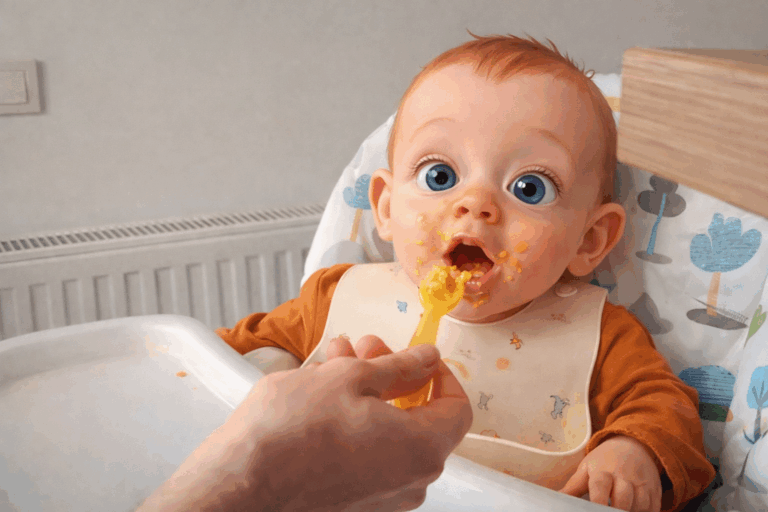
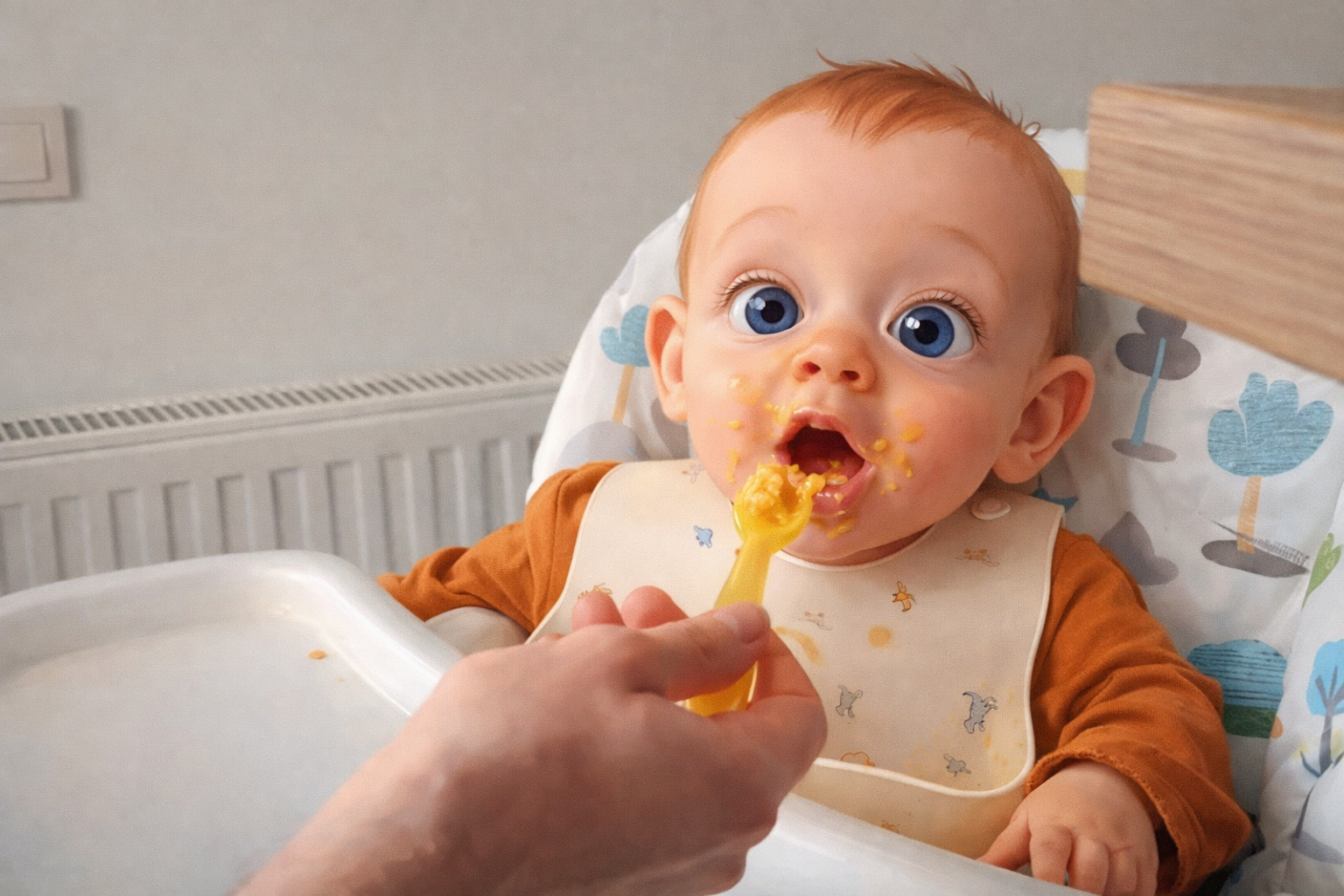
When we started introducing solid foods, we thought things might get easier. Instead, it became a new learning curve.
We approached baby-led weaning cautiously but stayed flexible. We introduced one food at a time, monitored reactions carefully (especially after a mild reaction to apple), and worked closely with our pediatrician when needed.
Our feeding philosophy shifted from “How much is he drinking?” to “How is his body responding?”
We chose:
- local fruits and vegetables,
- seasonal produce,
- no added sugar or salt,
- simple cooking methods (boiled or baked, not fried).
We avoided processed baby food as much as possible and adapted textures based on his teeth and development.
Stage 3: Toddler Preferences and Food Refusal
Now that Mike is older, feeding looks different again. Some days he eats everything. Other days he refuses meat completely and insists on fruit. That used to worry us. Now we understand that toddler eating patterns fluctuate naturally.
When your baby refuses food, it doesn’t mean you failed. It often means:
- growth rates are shifting,
- autonomy is developing,
- preferences are forming.
We don’t force. We encourage tasting. We trust long-term balance over daily perfection.
What Feeding Taught Us
Feeding decisions evolve because babies evolve. What worked at two weeks won’t work at two years. Instead of committing to rigid feeding rules, we committed to staying responsive.
That made all the difference.
Privacy & Image Disclaimer
To protect our family’s privacy, all images on this blog are real-life moments, visually transformed into cartoon-style illustrations using AI. The stories are real. The emotions are real. The people are real. The art style is simply our way of keeping intimacy safe.