Our Baby Feeding Journey: From Milk to Solids
Feeding a baby sounds simple. Until you’re the one doing it.
Before Mike was born, we thought feeding would be one of the more “natural” parts of parenting. You feed the baby. The baby grows. End of story.
Reality had other plans.
This is our baby feeding journey – from milk to solids – exactly as it happened. No feeding philosophy. No judgment. Just real experiences, real adjustments, and a lot of learning along the way.
The Beginning: When Feeding Wasn’t What We Expected
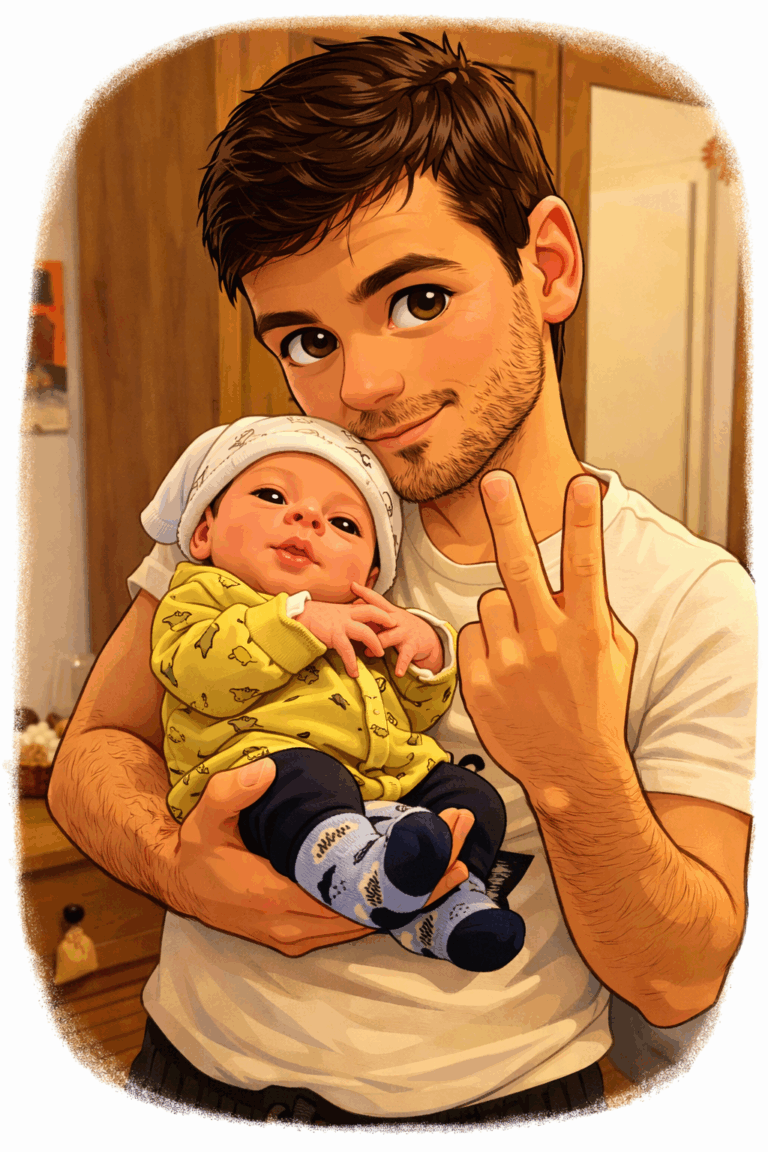
Mike was born premature. Small. Fragile.
Breastfeeding didn’t happen the way we imagined. He never latched. Not once.
So feeding immediately became a shared responsibility, one that involved:
- exclusive pumping
- bottles
- formula supplementation
- constant monitoring
From the very start, feeding wasn’t just nourishment. It was logistics, emotional weight, and survival.
Exclusive Pumping: Feeding Without the Baby at the Breast
Exclusive pumping is rarely talked about honestly.
It looks simple from the outside.
It isn’t.
Pumping meant:
- alarms day and night
- blocked ducts and pain
- endless washing of pump parts
- feeding schedules that never stopped
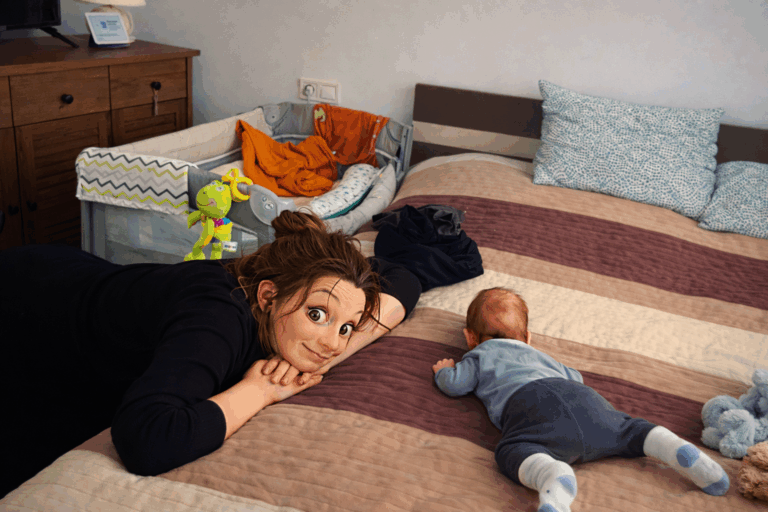
It also meant teamwork. While one of us pumped, the other fed, changed, soothed, and put Mike back to sleep.
Feeding became something we did together, not something one parent carried alone.
Breast Milk, Formula, or Both: Letting Go of Feeding Guilt
At some point, we had to accept something important:
Feeding isn’t a moral decision.
Breast milk.
Formula.
Combination feeding.
Each came into our journey when it was needed.
We supplemented when necessary.
We adjusted quantities.
We followed Mike’s needs. Not ideals.
Letting go of feeding guilt was one of the hardest emotional steps, but also one of the healthiest.
Learning What “Enough” Really Means
One of the biggest challenges early on was knowing how much milk was enough.
We followed initial recommendations too strictly, and learned, with medical guidance, that Mike was simply still hungry.
Feeding improved when we stopped focusing on numbers and started observing:
- satiety
- weight gain
- comfort
- sleep patterns
Feeding became less stressful when we trusted signs instead of charts.
Transitioning Toward Solids: Hope and Anxiety
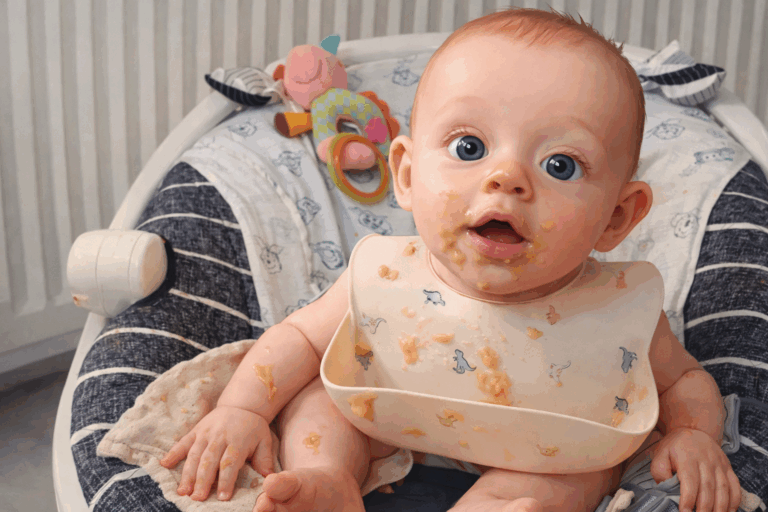
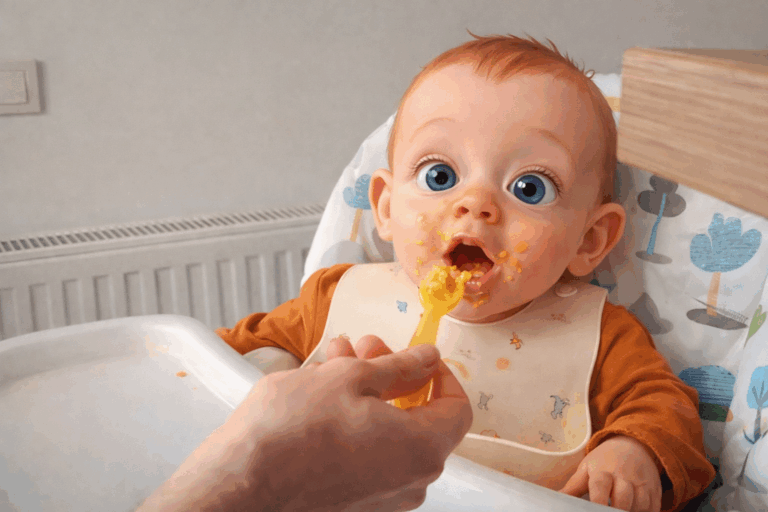
When it was time to start solids, we hoped things would finally feel easier.
They didn’t.
Starting solids introduced a new set of questions:
- What food first?
- Raw or cooked?
- How long do we wait between foods?
- What if there’s a reaction?
Diversification felt like another exam – this time without clear answers.
First Solid Foods and Unexpected Reactions
Our first solid food experience included something we didn’t expect: a physical reaction.
A low-risk food.
A visible reaction.
Immediate panic.
With the help of our pediatrician, we paused, adjusted preparation, and reintroduced foods carefully. Cooked instead of raw. Slower. Simpler.
The reaction didn’t define the future, but it taught us caution and patience.
Why We Chose Simple, Local Foods
As solids progressed, we made a clear choice.
We focused on:
- local fruits and vegetables
- foods that grow naturally in our climate
- simple preparation
- minimal processing
Our thinking was intuitive: foods the body recognizes are easier to digest.
No sugar.
No salt.
No artificial flavors.
For adults, this might sound bland.
For babies, it’s a sensory explosion.
Adapting Food to Development. Not the Other Way Around
We didn’t rush textures.
Harder foods came when teeth allowed it.
More complex meals came when curiosity appeared.
We adapted meals to Mike’s development, not to timelines in books.
Refusal was allowed.
Taste exploration was encouraged.
Pressure was avoided.
How Feeding Changed Our Family Too
Something unexpected happened as Mike’s diet evolved.
So did ours.
Cooking at home became normal.
Processed food started tasting overwhelming.
Salt and sugar became obvious instead of invisible.
Our baby didn’t adapt to our habits – we adapted to his.
Feeding Is a Relationship, Not a Phase
Feeding doesn’t end when solids begin.
It evolves.
Milk to purées.
Purées to textures.
Textures to preferences.
At every stage, feeding has been less about rules and more about connection.
Trusting the baby.
Trusting ourselves.
Adjusting when needed.
What We’ve Learned So Far
If there’s one thing we’ve learned, it’s this:
There is no single right way to feed a baby.
There is only:
- responsiveness
- observation
- flexibility
- support
And a baby who feels safe, nourished, and respected.
That’s what feeding has been for us – from milk to solids.