Why “Helping” Isn’t the Same as Parenting as a Team
When Mike was born, many people told me something that sounded supportive but never felt quite right:
“Make sure you help as much as you can.”
At first, I didn’t question it. Of course I would help. I changed diapers, fed the baby, handled baths, and took night shifts whenever possible. But after a while, I realized something important: the word help quietly suggests that parenting belongs primarily to one parent – usually the mother – while the other parent simply assists.
Real parenting as a team looks very different.
Parenting teamwork vs parental “helping”
In the early months, especially when recovery from birth and feeding challenges are involved, teamwork becomes essential. Parenting is not a task one person owns while the other supports occasionally. It is a shared responsibility that requires coordination, communication, and flexibility.
We learned this quickly because our situation demanded it. Andie was recovering from surgery, pumping milk every few hours, and managing physical and emotional changes at the same time. If I only “helped,” it would have been overwhelming for her. Instead, we had to function as a coordinated system.
Dividing responsibilities instead of assisting occasionally
Rather than waiting to be asked, we divided responsibilities based on what made sense at the time. I often handled bathing Mike because Andie was still physically recovering. During feeding cycles, one of us fed while the other prepared bottles, cleaned equipment, or handled nighttime wake-ups.
This division of newborn responsibilities allowed both of us to remain functional. It also prevented the invisible mental load from falling entirely on one parent – something many families underestimate.
Searches like “how to share newborn responsibilities,” “parenting teamwork after baby,” and “how fathers can support postpartum recovery” often focus on practical tasks, but teamwork goes deeper than task distribution. It involves emotional availability, anticipating needs, and staying engaged even when exhausted.
Communication: the hidden tool of parenting teamwork
One of the most effective strategies we used was constant communication. We didn’t assume the other person was fine. We asked:
- Who needs sleep more right now?
- What task feels overwhelming today?
- What can we switch temporarily?
These small conversations prevented resentment from building silently. Parenting a newborn is demanding enough without misunderstandings about who is carrying the heavier load.
Why teamwork improves parental mental health
When both parents actively share responsibility, stress becomes more manageable. Each parent knows they are not alone in the process, which significantly reduces emotional burnout. This is particularly important in the early months when sleep deprivation, recovery, and constant decision-making create intense pressure.
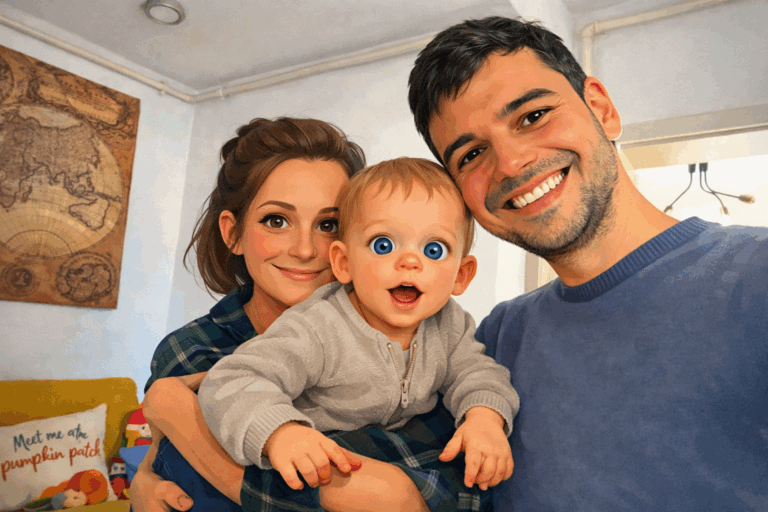
Working as a team also strengthens the relationship itself. Instead of feeling like two exhausted individuals coping separately, we felt like partners facing the same challenge together.
Moving from “helping” to shared ownership
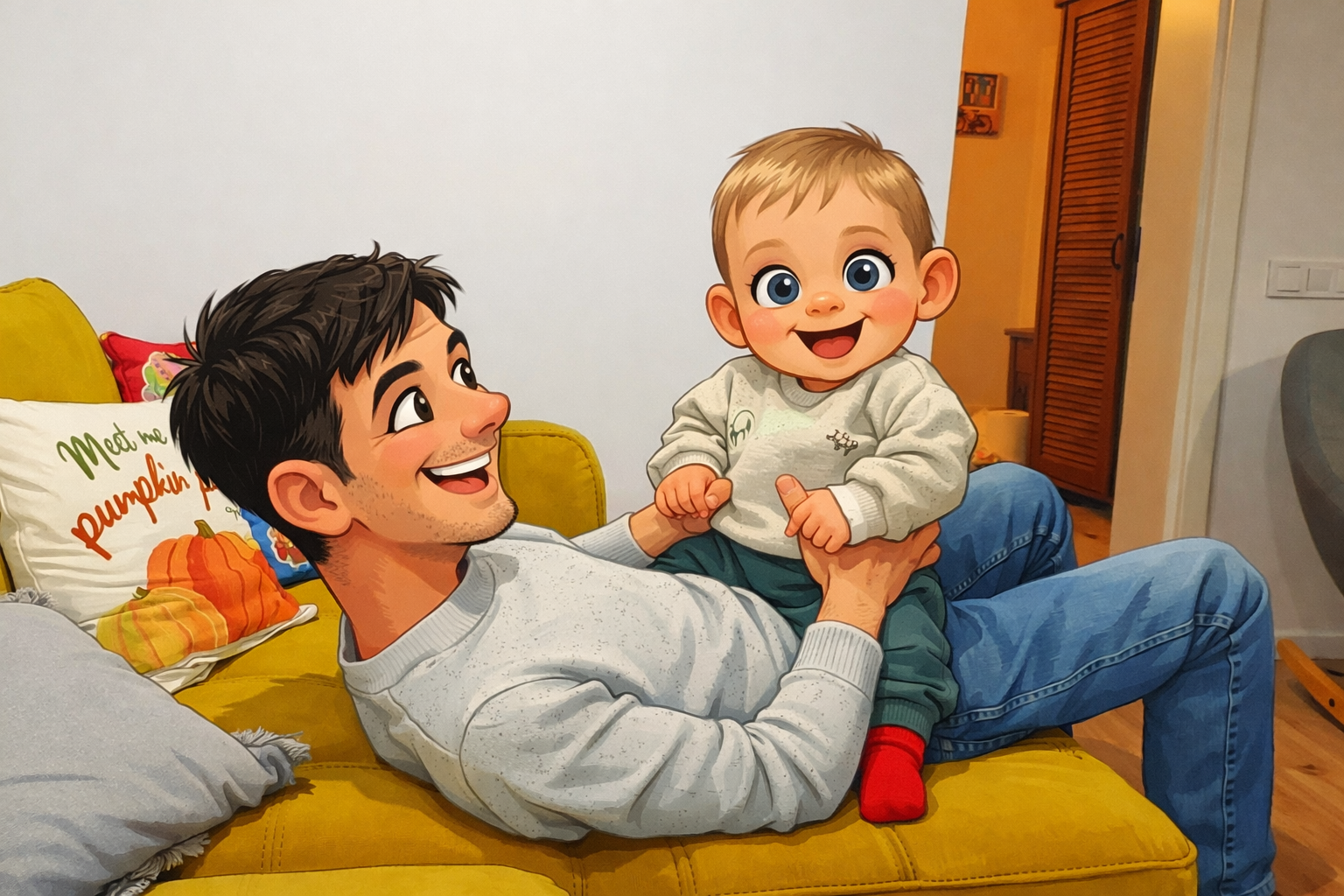
Over time, I stopped thinking in terms of helping and started thinking in terms of ownership. Mike was equally my responsibility. Feeding, comforting, scheduling appointments, learning routines – these were not optional contributions but essential parts of being a parent.
This shift changed everything. Parenting felt less like supporting someone else’s role and more like fully inhabiting my own.
What new parents should remember
If there is one idea worth remembering, it is this: successful parenting in the early months rarely comes from one person doing everything well. It comes from two people doing many imperfect things together. Teamwork does not eliminate exhaustion, but it distributes it fairly and that alone can make the hardest months survivable.
Privacy & Image Disclaimer
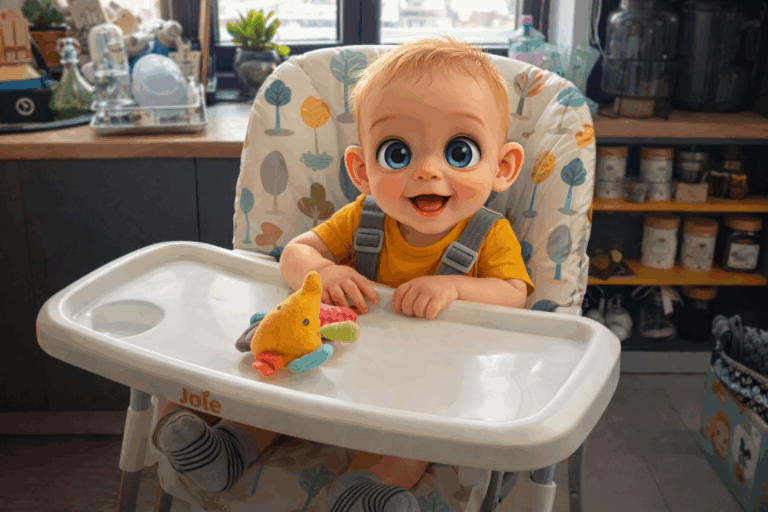
To protect our family’s privacy, all images on this blog are real-life moments, visually transformed into cartoon-style illustrations using AI. The stories are real. The emotions are real. The people are real. The art style is simply our way of keeping intimacy safe.