Newborn Routines Don’t Look Like Instagram. Ours Looked Like Survival
Before Mike was born, I imagined that our life with a newborn would slowly fall into a gentle rhythm. Wake up, feed, sleep, repeat – a predictable newborn routine that we would eventually master. Social media certainly reinforced that image: calm nurseries, peaceful sleeping babies, parents who somehow looked rested even in the first weeks.
Reality was very different.
Our newborn routine didn’t look like Instagram. It looked like survival – and that’s something many parents search for when they type phrases like “real newborn routine at home,” “how newborn routines actually work,” or “why my newborn schedule doesn’t work.”
Why newborn routines are rarely predictable in the first months
In the early weeks, especially with a premature baby, routines are less about planning and more about responding. Mike didn’t follow the neat feeding and sleeping cycles described in parenting books. Some days he slept longer stretches, other days he woke frequently. Feeding times shifted constantly because pumping, bottle feeding, and recovery from a C-section all influenced how our days unfolded.
Many new parents worry when their newborn schedule isn’t consistent, but the truth is that newborn routines naturally fluctuate. Growth spurts, digestion changes, developmental adjustments, and even parental exhaustion all influence daily patterns. What looks chaotic is often simply normal newborn biology.
Our real daily rhythm: feeding, pumping, resting – repeat
During the first months, our “routine” revolved around three repeating activities:
- feeding Mike,
- pumping milk,
- trying to rest between cycles.
Sometimes Andy fed the baby while I pumped. Other times we switched roles depending on who had slept a little more. Nights were not clearly separated from days; they blended into each other, creating a rhythm that didn’t match any ideal schedule we had read about.
And yet, despite the apparent chaos, a subtle rhythm did exist. We learned to recognize Mike’s hunger cues, his sleepy signs, and the small windows of calm that allowed us to breathe. That rhythm didn’t look organized from the outside, but inside our home it gradually became familiar.
Why comparing newborn routines creates unnecessary stress
One of the biggest challenges for new parents is comparison. When you see structured newborn schedules online, it is easy to believe that your baby is the exception or that you are doing something wrong. In reality, most families experience a flexible routine in the first months, especially when recovery from birth, feeding challenges, or premature birth are involved.
We stopped trying to match external timelines and instead focused on observing Mike. Some days worked smoothly. Others didn’t. The key was consistency in care, not perfection in scheduling.
The routine we discovered: responsiveness over control
Eventually, we realized that the most effective newborn routine wasn’t a fixed timetable – it was responsiveness. Feeding when hungry, allowing sleep when tired, adjusting expectations daily. This approach reduced our stress significantly because we stopped fighting the natural variability of newborn life.
Over time, patterns emerged naturally. Sleep became more predictable. Feeding stabilized. Our own energy slowly returned. None of it happened overnight, and none of it happened because we forced a strict routine. It happened because we allowed the routine to grow organically.
What new parents should know about newborn routines
If there is one lesson I would share with every new parent, it is this: your newborn routine does not need to look organized to be effective. Stability comes from consistent care, emotional presence, and patience, not from perfectly timed schedules. Early months often feel like survival, and that is completely normal.
The routines that appear effortless later are usually built on weeks or months of adaptation that no one sees. And when you look back, you realize something important – even survival has its own rhythm.
Privacy & Image Disclaimer
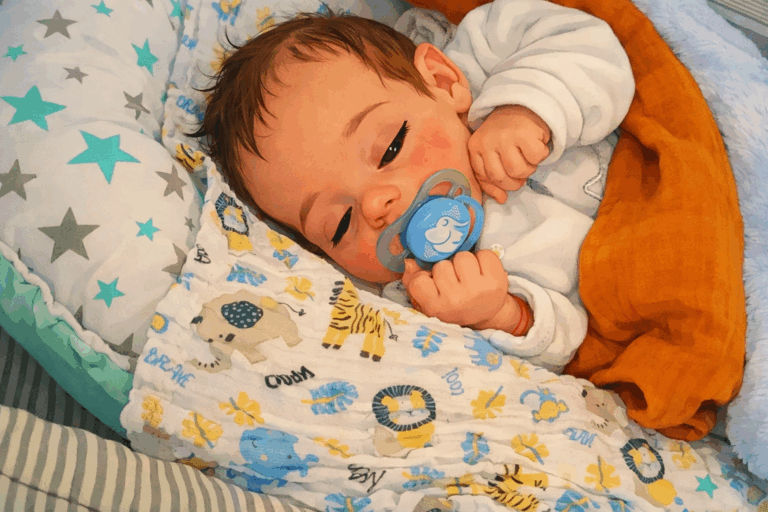
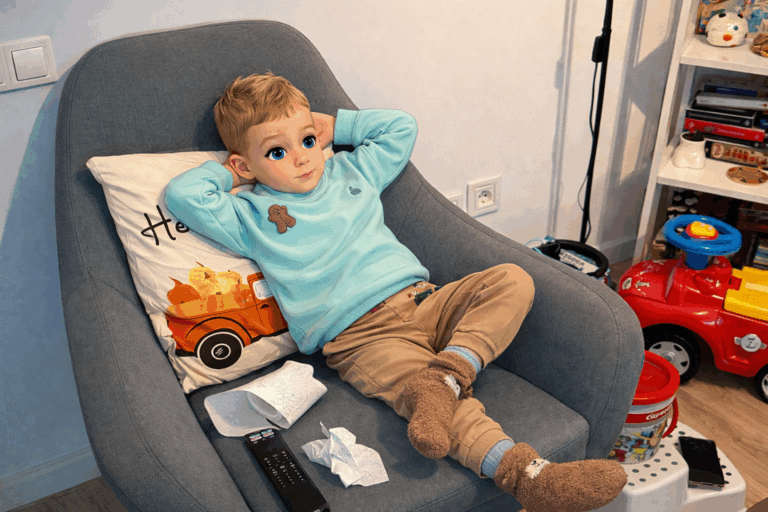
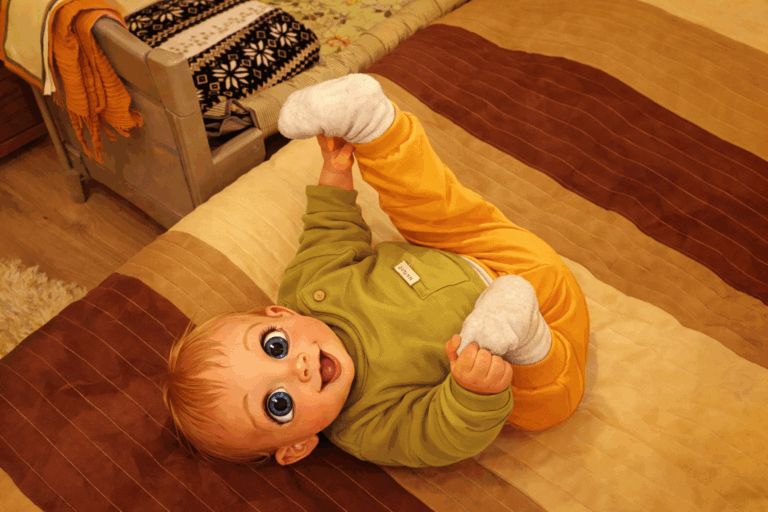
To protect our family’s privacy, all images on this blog are real-life moments, visually transformed into cartoon-style illustrations using AI. The stories are real. The emotions are real. The people are real. The art style is simply our way of keeping intimacy safe.