Starting Daycare Slowly: Why We Chose a Gentle Transition for Our Child
When we first thought about daycare, we didn’t think about schedules, activities, or social skills.
We thought about Mike.
His personality.
His pace.
His need for time.
Mike is not the kind of child who walks into a new room and immediately feels at home. He observes. He takes a step back. He needs to understand before he engages.
And because I’m exactly the same, we understood something early:
We couldn’t rush this.
When Should a Child Start Daycare?
This is one of the most common questions parents ask:
- When is the right age to start daycare?
- Should a child stay full day from the beginning?
- How do you know if your child is ready?
The honest answer is: there is no perfect timing.
There is only the right rhythm for your child.
Mike started daycare in September. But we didn’t start with a full program.
Why We Chose a Half-Day Daycare Schedule
For the first months, his schedule was simple:
8 AM to 12 PM. No nap at daycare.
That decision wasn’t based on a rule or a recommendation. It was based on observation.
We knew:
- he needed time to adjust,
- he was naturally more reserved,
- full-day exposure would overwhelm him.
So we gave him something manageable.
A short window.
A predictable routine.
A safe way to explore a new environment.
The Reality of Early Daycare Adjustment
At the beginning, things were exactly how we expected.
Mike didn’t eat much.
He stayed more on his own.
He played independently.
And that’s where many parents panic.
You start thinking:
- Is he unhappy?
- Is he adapting badly?
- Should we change something?
But adaptation is not always visible in big gestures.
Sometimes, it looks like silence.
Why Slow Adaptation Works for Introverted Children
Not every child adapts to daycare through immediate socialization.
Some children need:
- time to observe,
- space to feel safe,
- repeated exposure without pressure.
Mike didn’t suddenly become social. He became comfortable.
And comfort came gradually:
- he started eating more,
- he relaxed during play,
- he interacted naturally, not forced.
A big part of this process was the support from the daycare staff. They understood his rhythm and didn’t push him into activities before he was ready.
Letting the Child Lead the Next Step
The most important moment didn’t come from us.
It came from him.
After a few months, around February, Mike told us he wanted to stay longer and sleep at daycare with the other kids.
That moment mattered.
Because it wasn’t:
- a parental decision,
- a forced transition,
- a social expectation.
It was his initiative.
Why We Didn’t Force Socialization
There’s pressure around daycare and social skills:
- “Kids need to socialize early”
- “They have to learn to adapt quickly”
But socialization is not a race.
It’s a process.
We chose:
- to support him,
- to gently encourage him,
- but not to force him.
And that made a difference.
He didn’t associate daycare with stress.
He associated it with safety.
The Role of Time at Home Before Daycare
Another important factor in his adaptation was something that happened before daycare.
Andie stayed home with Mike for over two years.
At the same time, I was working remotely, so we were both present in his daily life.
That foundation gave him:
- security,
- attachment,
- confidence to explore later.
So when daycare started, it wasn’t a break from safety. It was an extension of it.
Transitioning to Full Day: When It Happens Naturally
When Mike started staying for naps, the transition felt smooth.
Because it wasn’t rushed.
He was ready.
And readiness is something you can’t force.
What We Learned About Daycare Transition
If there’s one thing we learned, it’s this:
A slow transition is not a delay. It’s an investment.
By giving Mike time:
- he adapted without stress,
- he gained confidence naturally,
- he trusted the environment.
And most importantly, he felt in control.
If You’re Starting Daycare Soon
If your child is more reserved, or if you feel unsure about daycare timing, consider this:
- Start with shorter hours
- Observe, don’t rush
- Let adaptation happen gradually
- Trust your child’s signals
Some children run into new environments.
Others walk slowly.
Both arrive.
Privacy & Image Disclaimer
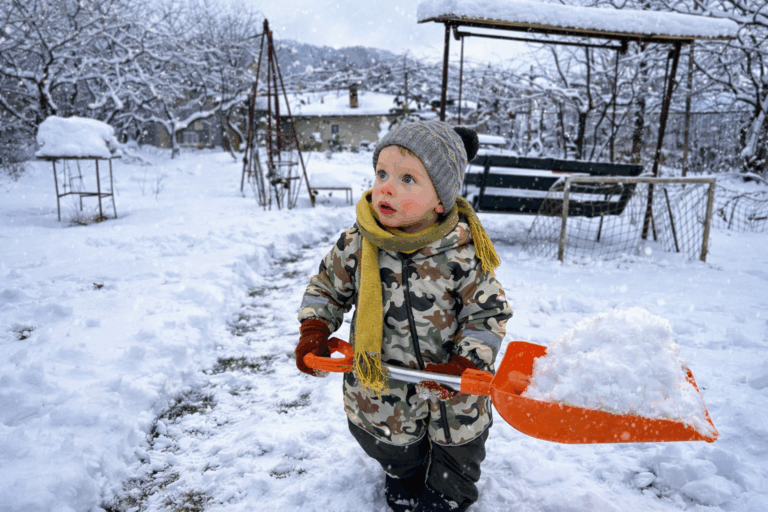
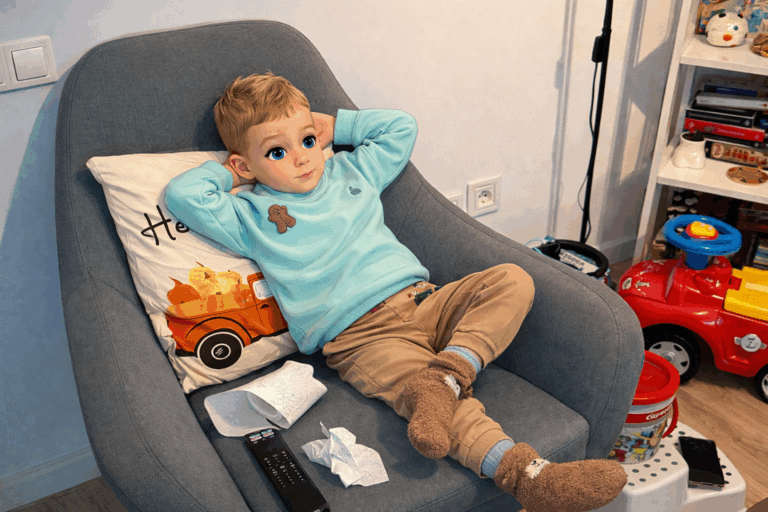
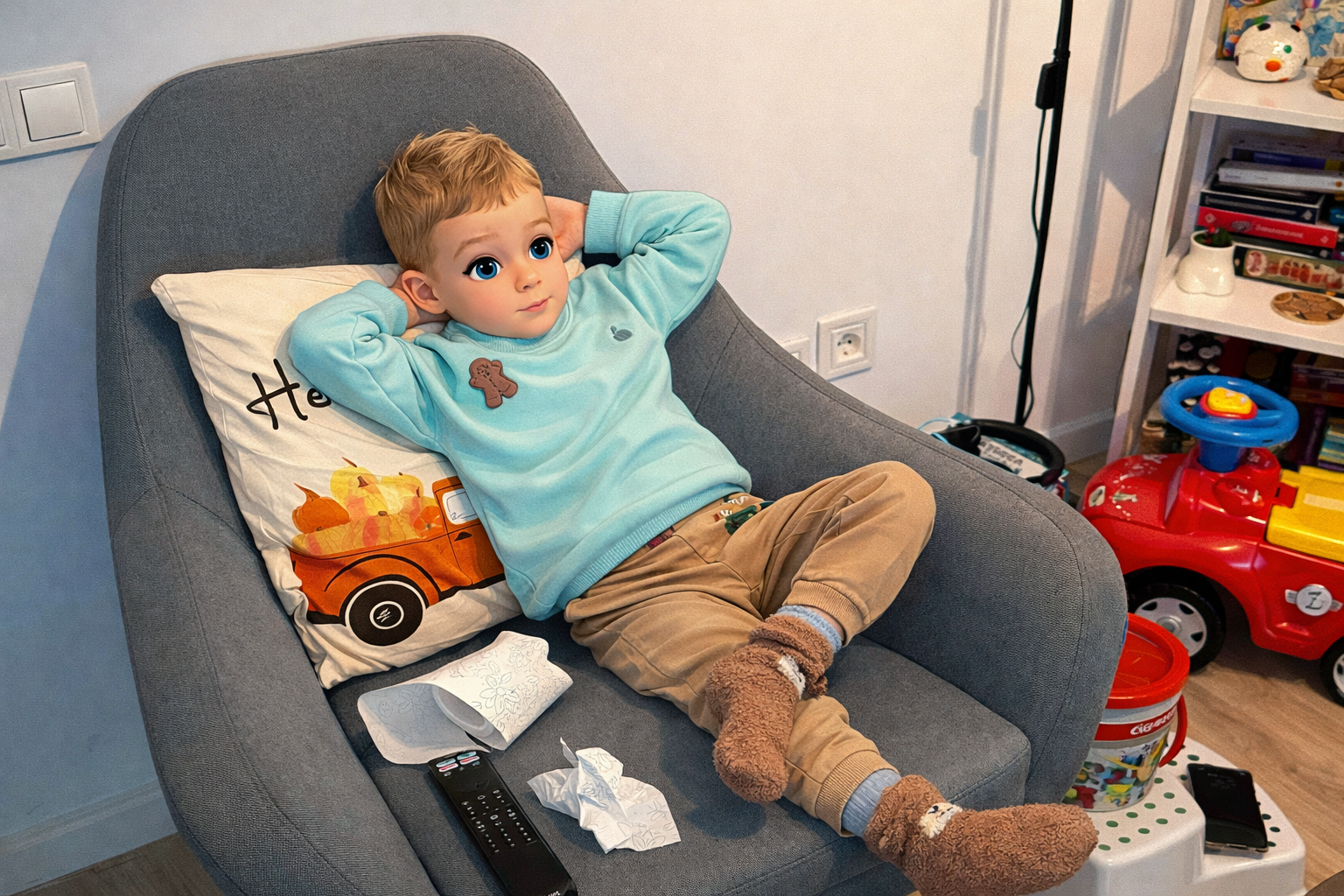
To protect our family’s privacy, all images on this blog are real-life moments, visually transformed into cartoon-style illustrations using AI. The stories are real. The emotions are real. The people are real. The art style is simply our way of keeping intimacy safe.