Losing Your Patience as a Parent Doesn’t Make You a Bad Parent
But it surely makes you human.
Let’s say this out loud, because too many parents carry this silently:
Losing your patience as a parent doesn’t mean you’re failing.
It means you’re human.
We didn’t learn this from a book.
We learned it the hard way – in a moment we wish we could erase, but one that taught us more than any parenting advice ever could.
The moment I lost control (and instantly regretted it)
Nothing serious.
The doctor gave us eye drops – four times a day, for 7–10 days.
If you’ve ever tried to put eye drops into the eyes of a two-year-old, you already know where this is going.
Mike is a wonderful child. Calm. Cooperative. Empathetic.
But he’s still a toddler.
And eye drops are terrifying.
When logic fails and emotions take over
We tried everything:
- explaining calmly,
- demonstrating on ourselves,
- distractions,
- cartoons,
- music,
- gentle holding.
The drops missed the eye.
Mike cried.
We tried again.
More crying.
More drops wasted.
And suddenly… I snapped.
I raised my voice.
I threatened consequences.
I even took some toys away.
And then I saw it.
Fear.
Not anger.
Not defiance.
Fear.
That was the moment everything stopped.
The realization no parent wants, but every parent needs
In that second, I knew:
I wasn’t teaching him anything.
I wasn’t helping.
I wasn’t being the parent I promised myself I’d be.
So I walked away.
Not from him, from the situation.
I took a breath.
I calmed myself.
And I went back.
Repair matters more than perfection
I gave the toys back.
I hugged him.
I apologized.
Yes – I apologized to my child.
And then we tried again.
This time:
- calmly,
- without pressure,
- without urgency.
That’s when we figured it out:
Put the drop in the corner of the closed eye.
When the eye opens, the drop goes in naturally.
Simple.
Gentle.
No trauma.
Why losing patience doesn’t define you
Here’s what matters more than never losing your patience:
👉 What you do after.
Children don’t need perfect parents.
They need parents who:
- notice their mistakes,
- repair the relationship,
- show emotional regulation.
That’s how children learn emotional safety.
What this taught us about parenting
That moment taught us several things:
- Toddlers don’t understand punishment the way adults think they do
- Fear shuts learning down instantly
- Calm is contagious – but so is tension
- Repair builds trust faster than perfection
And maybe the most important one:
You can’t teach emotional regulation if you don’t practice it yourself.
The second time was easier (of course)
Yes, conjunctivitis came back.
Mike got it again.
So did Andie.
So did I.
But the second time?
No panic.
No yelling.
No drama.
Because experience teaches faster than theory.
Wouldn’t it be nice if parenting always started from the second time?
If you’ve lost your patience, read this
If you’ve yelled.
If you’ve slammed a door.
If you’ve felt guilty afterward.
You’re not broken.
You’re not failing.
You’re not a bad parent.
You’re learning.
What matters is:
- noticing,
- reflecting,
- adjusting,
- reconnecting.
That’s parenting.
Children don’t need calm parents. They need parents who return to calm
Mike didn’t remember the eye drops.
But he remembers:
- safety,
- comfort,
- connection.
And so will your child.
Parenting isn’t about never falling apart.
It’s about coming back together.
Every single time.
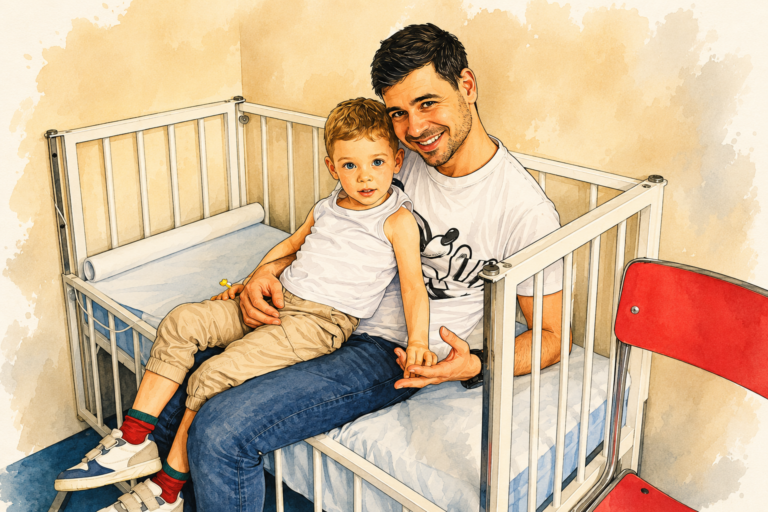
Privacy & Image Disclaimer
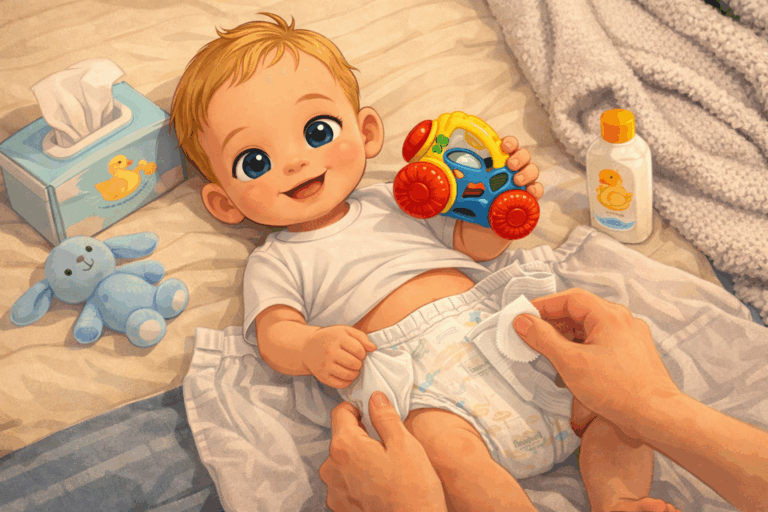
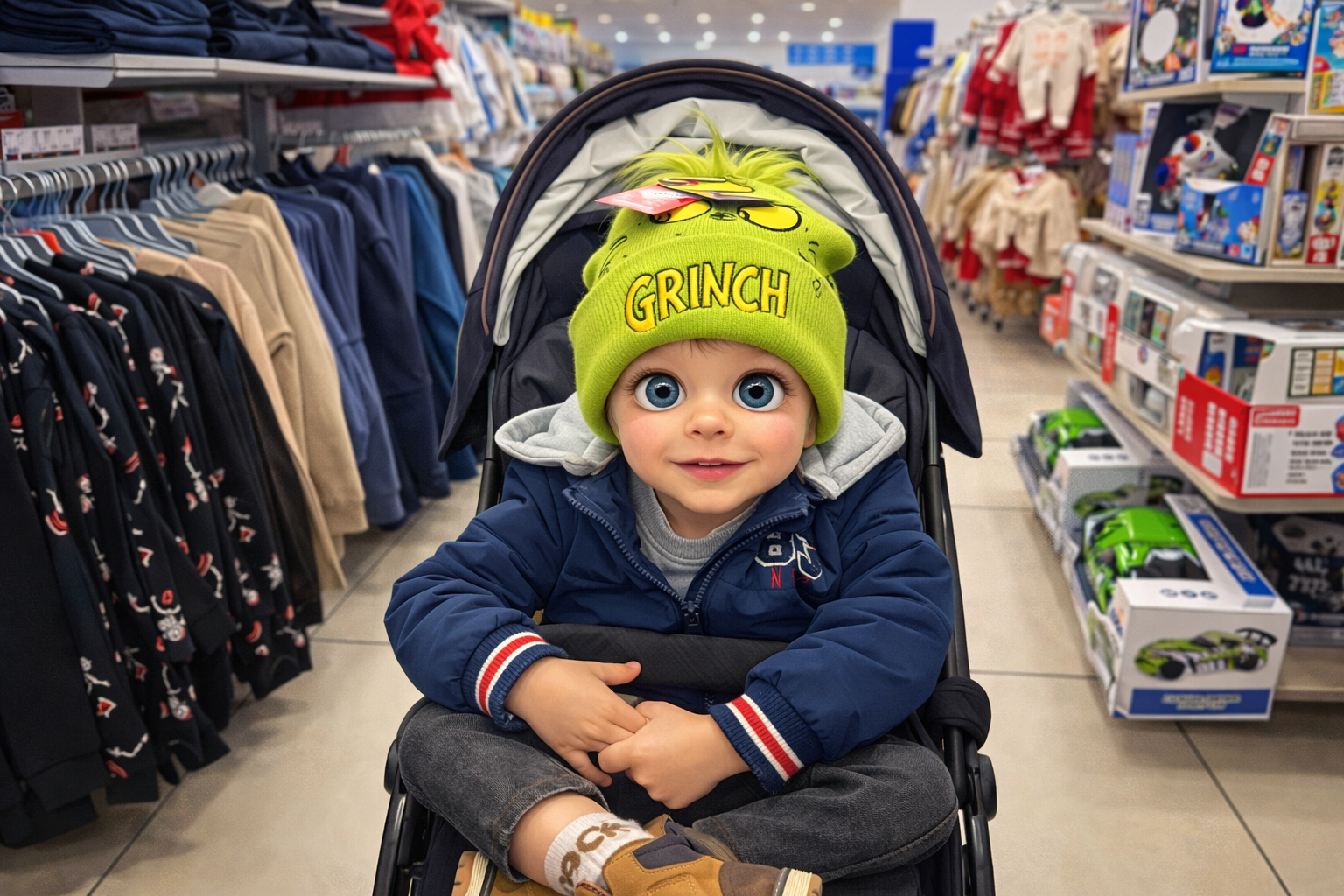
To protect our family’s privacy, all images on this blog are real-life moments, visually transformed into cartoon-style illustrations using AI. The stories are real. The emotions are real. The people are real. The art style is simply our way of keeping intimacy safe.