How to Repair the Relationship After You Yell at Your Child
Or, repair, not perfection. Real parenting and real emotions.
If you’re here, chances are you’ve yelled too.
Welcome to the club.
No badges. No trophies. Just tired parents doing their best.
This is not an article about never losing your temper.
Because that would be a lie.
This is about what actually matters after it happens.
Why Repair Matters More Than Being a “Perfect Parent”
Let’s get this out of the way first:
👉 You will mess up as a parent.
Not because you’re bad.
Not because you don’t love your child enough.
But because you’re human, tired, overwhelmed, and sometimes running on empty.
The real damage isn’t caused by yelling once.
The damage happens when nothing comes after.
Children don’t need perfect parents.
They need parents who know how to repair.
What Children Actually Learn When We Apologize
There’s a big fear many parents have:
“If I apologize, I’ll lose authority.”
The truth is the exact opposite.
When you apologize to your child, you teach them:
- how to take responsibility,
- how to regulate emotions,
- how relationships are repaired,
- that love doesn’t disappear when things get hard.
Children don’t learn emotional intelligence from books.
They learn it from watching you.
What Happened After I Yelled at Mike
When I yelled at Mike, I saw it instantly.
The fear on his face.
The confusion.
The silence that followed.
That moment hit harder than the yelling itself.
So I did the only thing that made sense:
I stepped away.
I went into the next room.
I calmed down.
I reminded myself of one promise I made long ago:
My job isn’t to win. My job is to protect him.
I came back.
I got down on the floor.
I brought his toys back.
I took him in my arms.
I didn’t explain.
I didn’t justify.
I didn’t lecture.
I just said I was sorry.
What NOT to Do After You Lose Your Temper
Let’s be clear about this part.
❌ Don’t pretend nothing happened.
❌ Don’t blame your child.
❌ Don’t say “you made me do it”.
❌ Don’t minimize it with jokes.
Children feel everything.
Even when they don’t have words for it.
Ignoring the moment doesn’t erase it.
Repair does.
Repair Looks Different at Every Age
Toddlers (2-3 years)
- calm voice,
- physical closeness,
- simple words,
- presence over explanations.
Preschoolers (4-6 years)
- short explanations,
- naming emotions,
- reassurance.
Older kids
- honest conversations,
- accountability,
- listening more than talking.
The younger the child, the less talking you need and the more presence you offer.
The Moment Everything Changed (Again)
After Mike calmed down, we tried again.
Not forcing.
Not rushing.
Not panicking.
That’s when we discovered the simple solution with the eye drops, because that was all about:
eyes closed → drop at the corner → open → done.
Mike was calm.
We were calm.
And everything worked.
Not because we found a magic parenting trick.
But because we fixed the emotional break first.
The Hidden Gift of Messing Up as a Parent
Here’s something nobody tells you:
Your child doesn’t learn calm from your perfect moments.
They learn it from how you recover.
They learn:
- that emotions pass,
- that mistakes don’t break love,
- that relationships are safe.
Repair teaches safety.
Safety builds trust.
Trust builds everything else.
What I Remind Myself Now
I still lose my patience sometimes.
I still get overwhelmed.
I’m not proud of those moments.
But now I know this:
It’s not about never yelling.
It’s about always coming back.
Coming back calm.
Coming back present.
Coming back human.
If there’s one thing I hope you take from this:
Don’t aim for silence.
Aim for connection.
Don’t aim for control.
Aim for understanding.
And when you mess up – because you will –
repair it.
That’s real parenting.
Privacy & Image Disclaimer
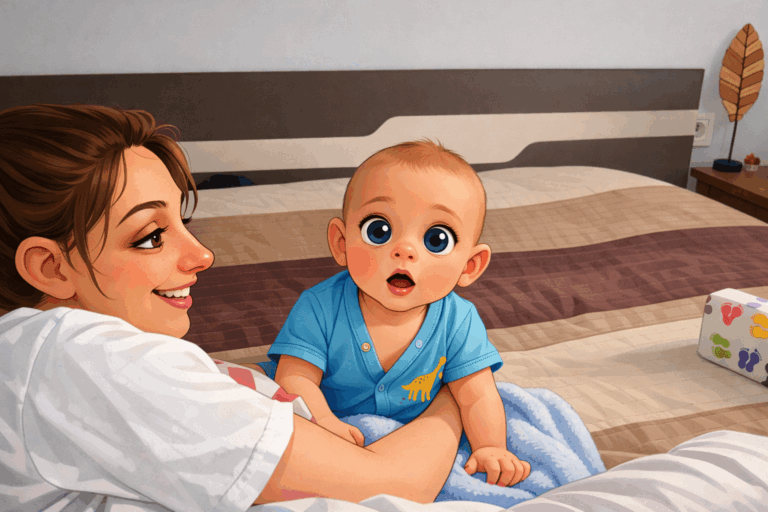
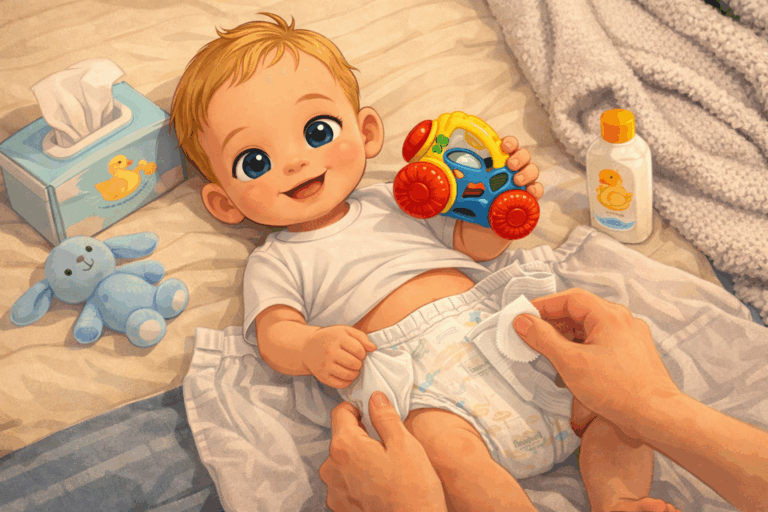
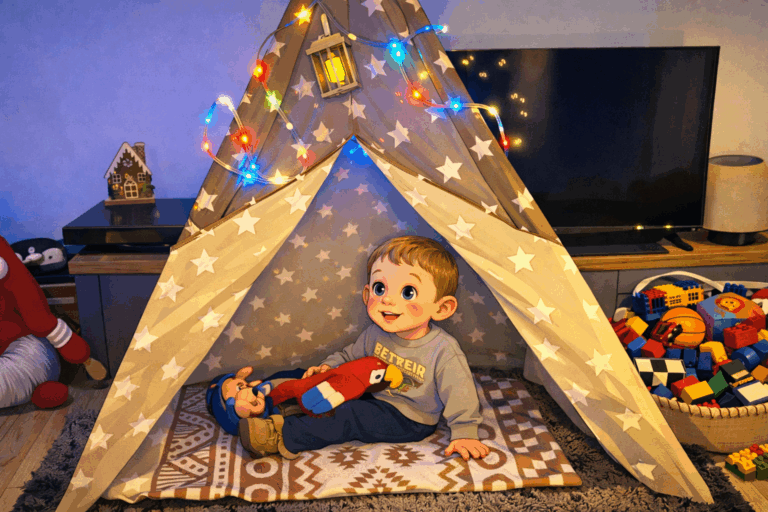
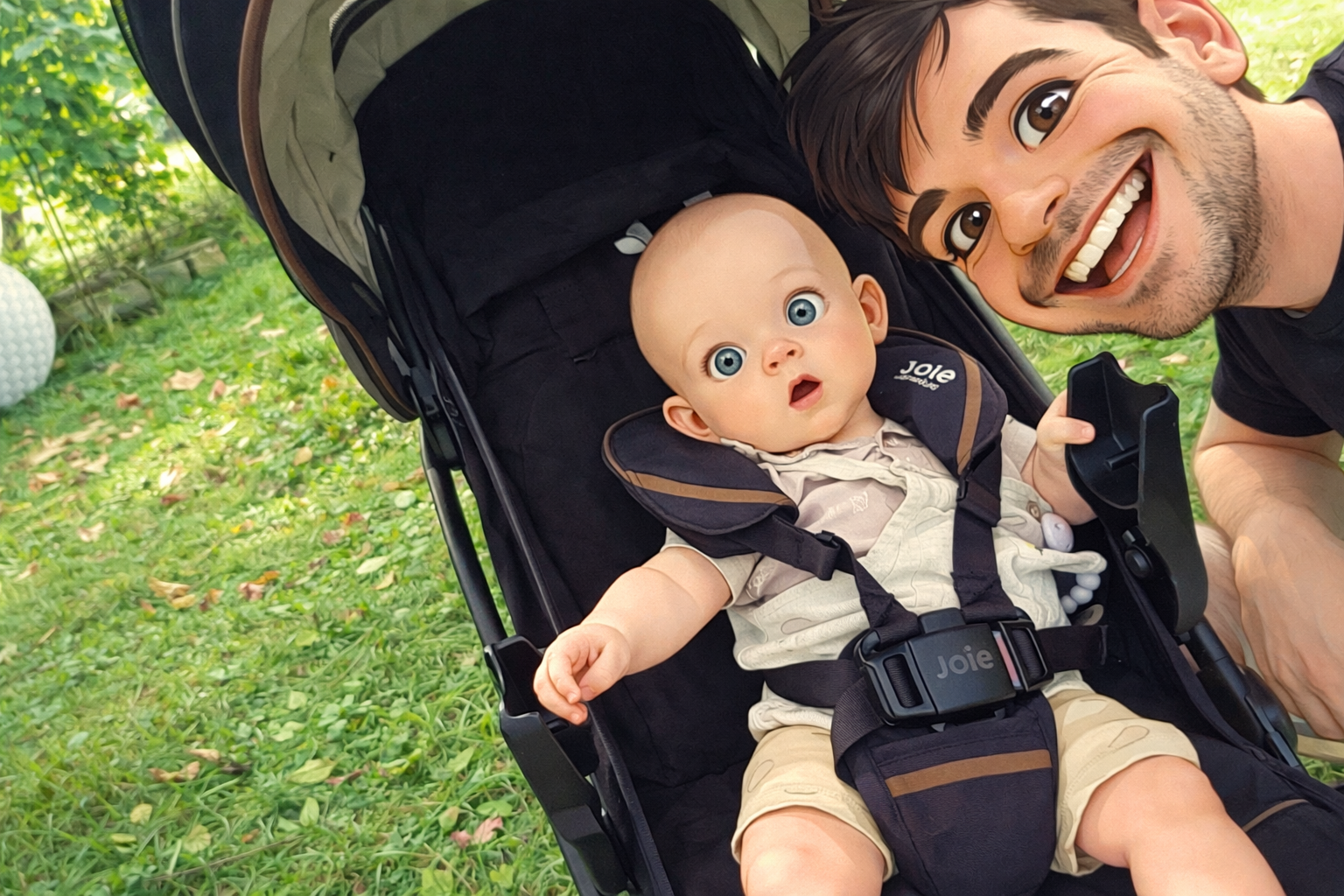
To protect our family’s privacy, all images on this blog are real-life moments, visually transformed into cartoon-style illustrations using AI. The stories are real. The emotions are real. The people are real. The art style is simply our way of keeping intimacy safe.