RSV in Toddlers: What It Actually Looked Like for Us
Our RSV experience started like a normal cold. That was the scary part.
At first, nothing seemed dramatic.
Mike had already gone through multiple daycare illnesses by that point, so the beginning felt familiar:
- runny nose,
- fatigue,
- coughing,
- low energy.
Typical daycare virus. Nothing that immediately screamed:
RSV.
But this time felt different surprisingly fast.
And once you experience RSV symptoms in a toddler firsthand, you understand why parents panic so much online.
RSV Symptoms in Toddlers Can Escalate Quickly
Within days, Mike’s condition worsened noticeably.
The fever became harder to control. He looked unusually tired. Not sleepy tired. Heavy tired.
Quiet.
And for a child like Mike, who already tends to internalize discomfort, that scared us even more.
Then came the cough.
Then the chest sounds.
And eventually, the breathing changes.
The Sound That Told Us Something Was Wrong
We still remember it clearly.
When Mike breathed, his chest sounded almost like water dripping or bubbling inside.
Not loud.
Not dramatic.
Just… wrong.
Like tiny crackling sounds during breathing.
If you’ve ever searched:
- wheezing toddler,
- crackling chest toddler,
- rattling breathing child,
you know exactly the kind of panic that follows. Especially at night.
RSV Fever in Toddlers Is Emotionally Exhausting
One of the hardest parts was the fever. It kept climbing over 39°C.
Sometimes medication lowered it.
Sometimes barely.
And after a while, you stop sleeping properly because you constantly check:
- temperature,
- breathing,
- skin color,
- energy,
- hydration.
You become hyper-alert. Even when exhausted.
The Vomiting Scared Us Too
At one point, Mike vomited after eating while he still had fever. We panicked immediately. Later, doctors explained that eating during fever can sometimes trigger vomiting in children.
But in the moment? It felt terrifying.
Because when your child is already struggling to breathe comfortably, every additional symptom feels huge.
Our First Pediatric ER Visit During RSV
Eventually, we went to the pediatric emergency room.
Honestly, we delayed slightly because every parent knows pediatric ER visits can involve long waiting times, especially during respiratory virus season.
But once breathing sounds changed, we stopped debating.
At the hospital:
- they checked his oxygen,
- tested him,
- listened to his lungs,
- monitored the fever,
- gave inhalation treatment,
- prescribed Ventolin.
At that point, they still didn’t recommend antibiotics.
The Emotional Part Nobody Talks About Enough
Mike didn’t cry.
Not during testing.
Not during treatment.
Not even during injections.
The doctors kept saying:
“He’s unbelievably calm.”
And yes, part of us felt proud. But another part broke a little. Because you realize your child is trying so hard to stay brave for you.
RSV Recovery Was Slower Than We Expected
This wasn’t a:
“two bad days and done” kind of illness.
Recovery came in waves.
One day seemed better. The next looked worse again.
Eventually, after follow-ups, blood tests, additional evaluations, and pediatric monitoring, things became clearer: Mike’s respiratory system reacts strongly after viral infections.
And RSV had triggered a much bigger inflammatory response than a normal cold.
What RSV in Toddlers Actually Felt Like as Parents
Fear. Mostly fear.
Not dramatic movie fear. Not panic all the time.
Just constant low-level fear.
The kind that sits quietly in your chest while listening to your child breathe at 3 AM.
What Helped Us Most
Honestly? Not Google. Not parenting forums. Not trying to be perfect.
What helped most was:
- staying calm around Mike,
- following pediatric advice,
- monitoring symptoms carefully,
- going to the ER when things changed,
- accepting that recovery takes time.
And emotionally?
Reminding ourselves that being scared does not mean being weak parents. It means you love your child deeply.
Privacy & Image Disclaimer
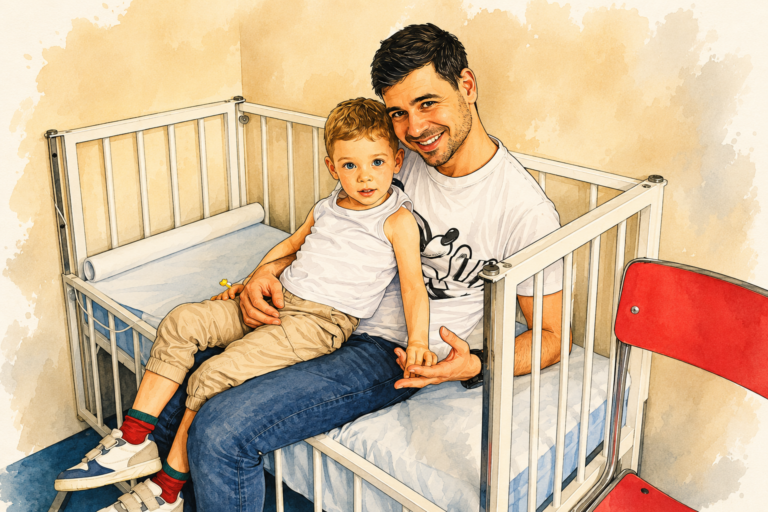
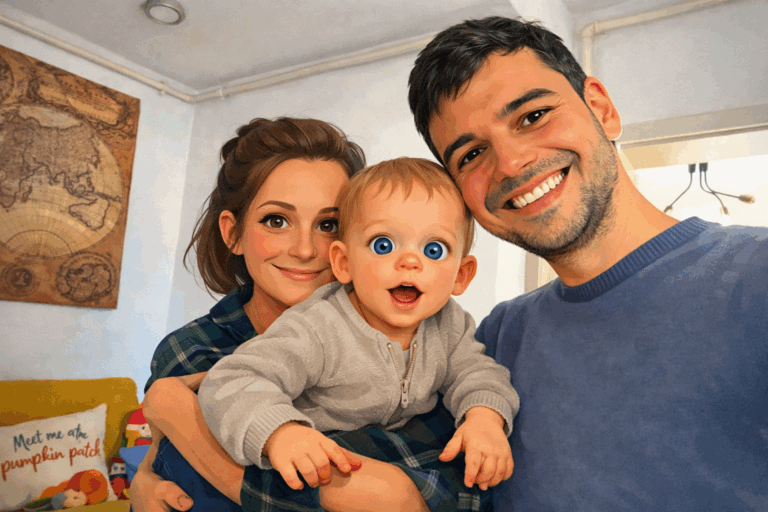
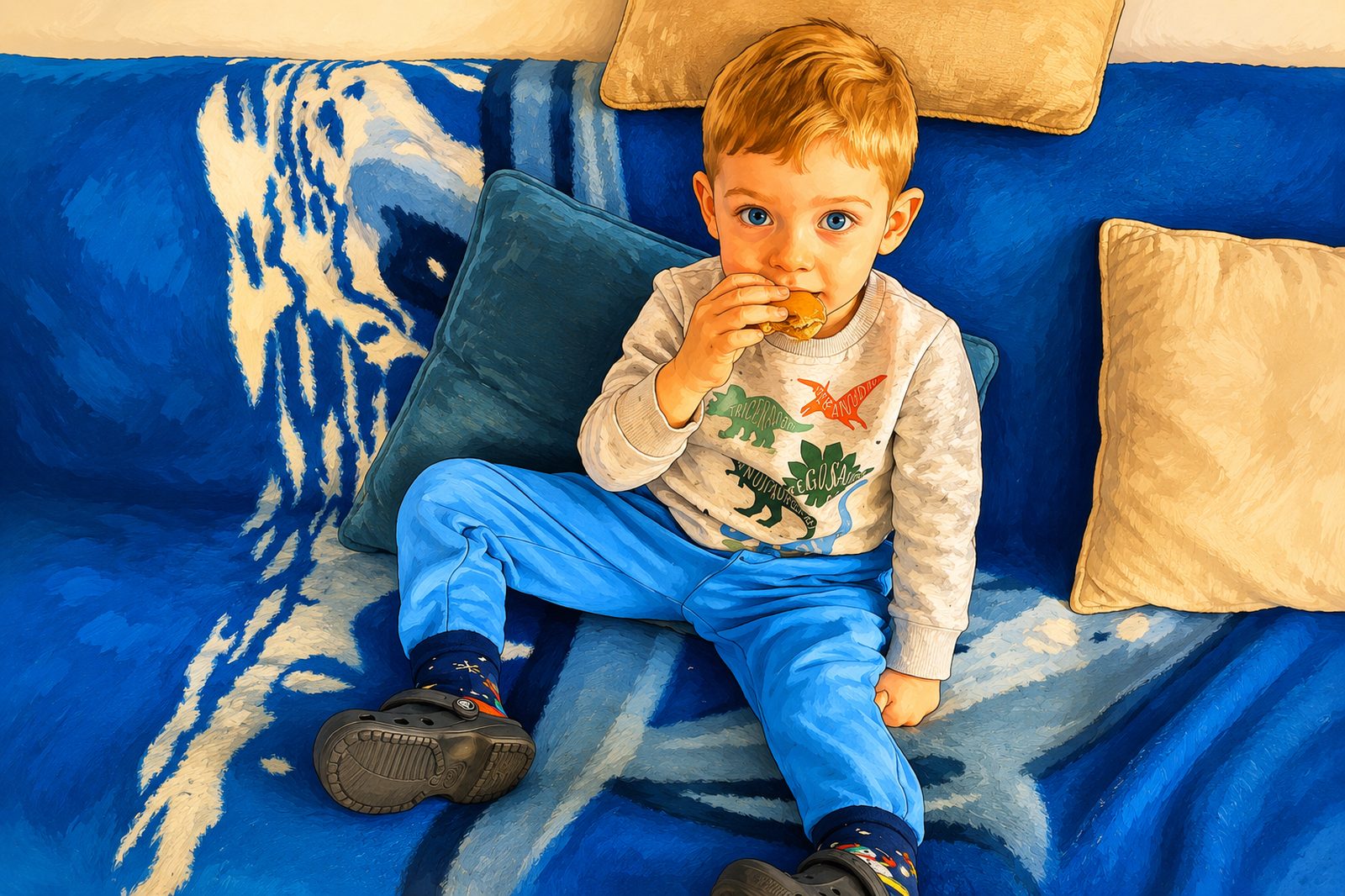
To protect our family’s privacy, all images on this blog are real-life moments, visually transformed into cartoon-style illustrations using AI. The stories are real. The emotions are real. The people are real. The art style is simply our way of keeping intimacy safe.