Ventolin for Toddlers: The First Time We Used It
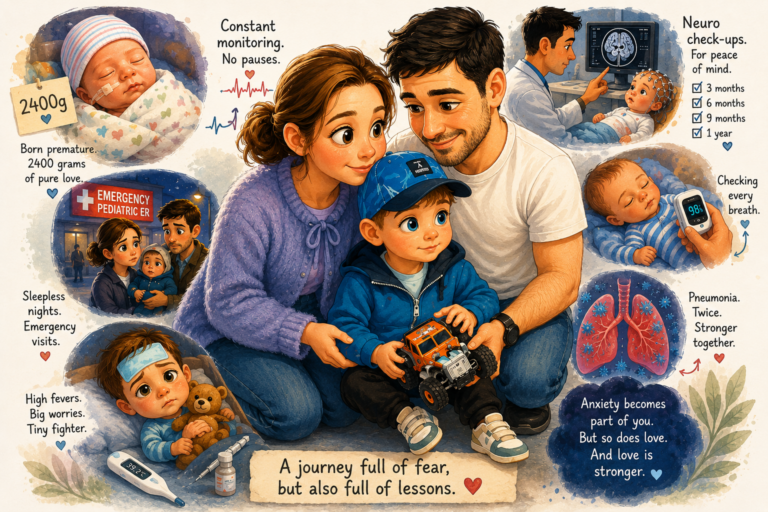
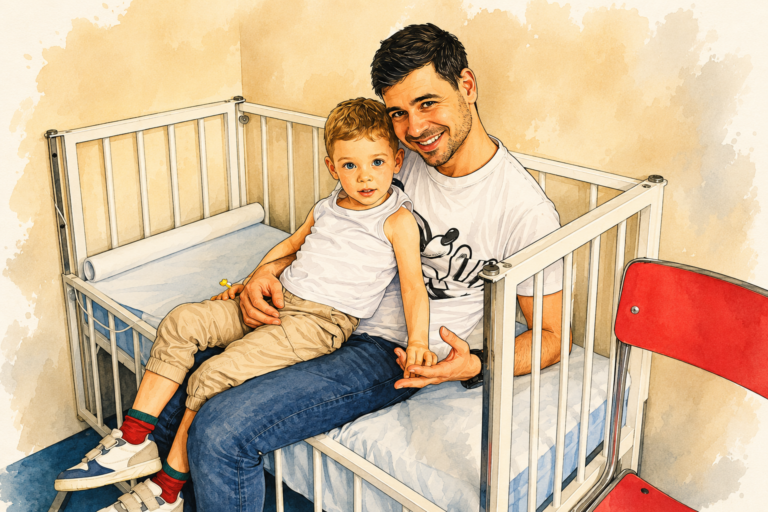
There are certain words that instantly make parenting feel more serious. Emergency room. X-ray. Pneumonia.
And for us, one of those words was Ventolin.
Before becoming parents, I had heard of Ventolin. I vaguely knew it had something to do with breathing problems. Then one night, sitting in a pediatric emergency room with our son, we heard a doctor say:
“We’ll give him Ventolin.”
And suddenly it became very real.
Why Our Toddler Needed Ventolin
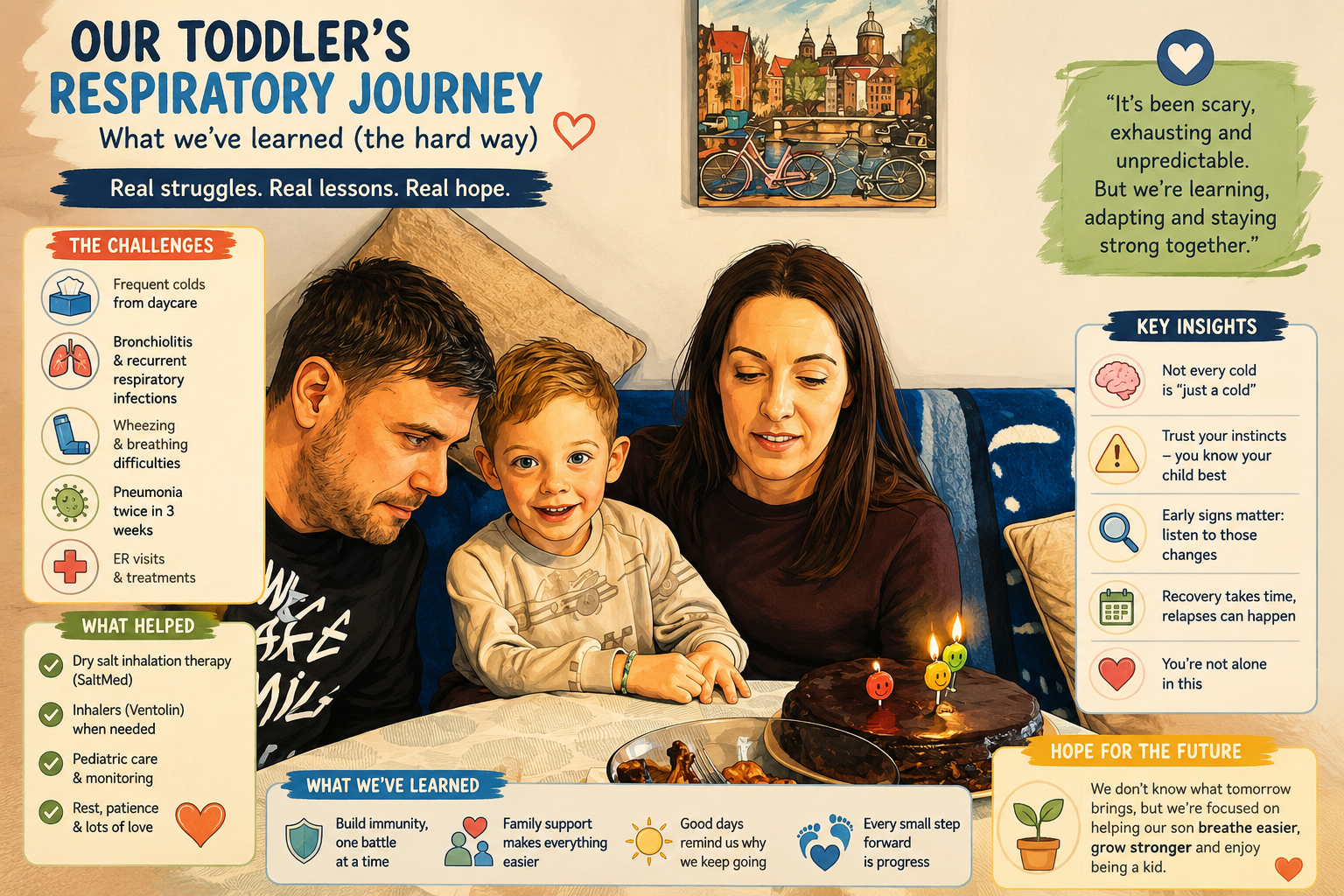
The illness started like most daycare illnesses do.
A runny nose. Some coughing. A little fatigue. Nothing unusual.
We had already been through several colds by that point.
But this one felt different. The cough became deeper. Breathing sounded strange.
And eventually we noticed a sound coming from his chest that reminded us of water dripping or bubbling inside his lungs.
That was the moment we knew this wasn’t just another cold.
Our First Emergency Room Visit
Like many parents, we hesitated.
Should we go? Should we wait? Would we spend six hours in a waiting room only to be told it’s viral?
Eventually we decided not to take chances.
At the hospital they examined him, tested him for influenza, listened to his lungs and performed imaging. The result wasn’t dramatic enough for hospitalization.
But it wasn’t nothing either.
The doctors decided to administer Ventolin.
What Ventolin Does
Ventolin helps relax the muscles around the airways.
When airways become narrowed because of inflammation or wheezing, breathing becomes more difficult. Ventolin helps open them.
For parents, the important thing to understand is that Ventolin doesn’t cure the virus. It helps the child breathe more comfortably while the body deals with the infection.
That distinction took us a while to understand.
The Scariest Part Wasn’t the Medication
The scariest part was simply hearing that our child needed help breathing.
Nobody prepares you for that. A fever is scary. A cough is scary.
But hearing that breathing itself is becoming difficult feels different.
It immediately triggers every parental alarm system.
Mike’s Reaction
This is where Mike surprised everyone.
Again.
The nurses warned us that many children dislike the procedures. They expected crying. Resistance. Fear.
Instead, he sat quietly. Watched. Listened. Cooperated.
The same thing happened later with blood tests.
And injections. And examinations.
We’re not saying he wasn’t scared. He almost certainly was.
He simply processes things differently. He’s always been that way.
Did Ventolin Help?
In the short term, yes. It helped relieve symptoms.
But what we learned afterward is that respiratory illnesses can continue evolving even after emergency treatment.
A few days later, the pediatrician confirmed pneumonia.
Antibiotics became necessary.
That experience taught us something important: an emergency room visit isn’t always the end of the story.
Sometimes it’s only the beginning.
What We Wish We Had Known
Ventolin isn’t automatically a sign of asthma. Ventolin doesn’t automatically mean something is seriously wrong. Ventolin doesn’t cure the underlying infection.
It’s a tool.
A useful one.
And sometimes exactly what’s needed.
Looking back, the word scared us much more than the medication itself.
For Parents Facing Ventolin for the First Time
If your doctor recommends Ventolin, ask questions. Understand why it’s being used. Understand what symptoms it’s treating. Understand what signs should bring you back for reassessment.
Most importantly: don’t panic simply because you’ve never heard it prescribed before.
We certainly did.
And now, after multiple respiratory episodes, it’s become just another part of our parenting vocabulary.
Not one we wanted to learn.
But one we’re grateful exists when our child needs help.
Related Reading
- The Sound That Told Us It Wasn’t Just a Cold
- RSV in Toddlers: What It Actually Looked Like for Us
- When a Cold Turns Into Pneumonia in a Toddler
- Our Toddler Was Diagnosed With Bronchiolitis — What That Actually Means
Privacy & Image Disclaimer
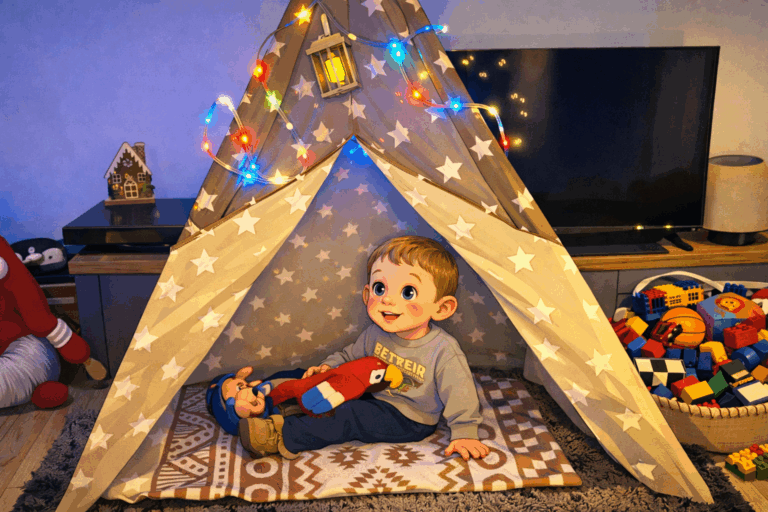
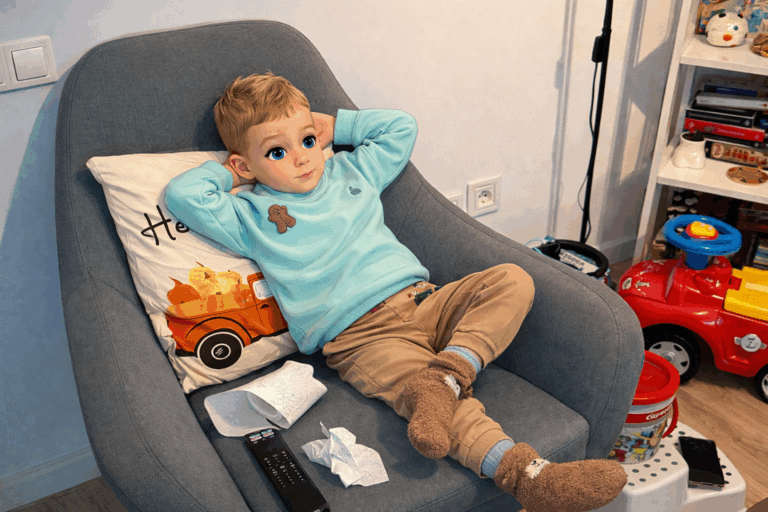
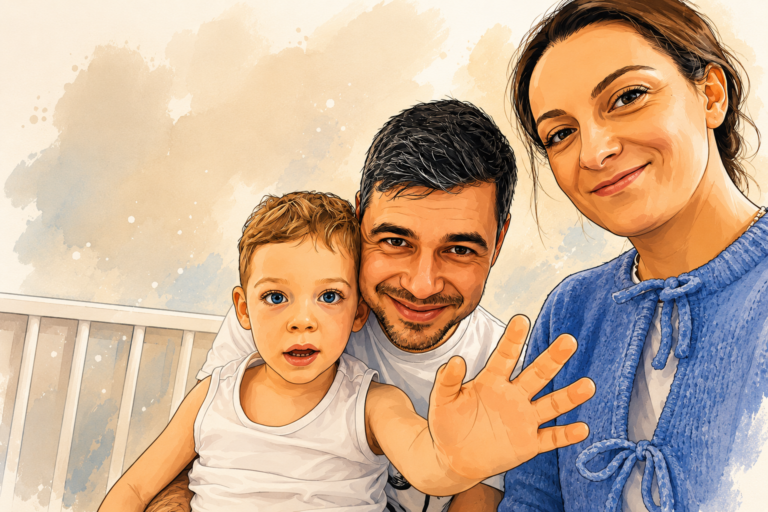
To protect our family’s privacy, all images on this blog are real-life moments, visually transformed into cartoon-style illustrations using AI. The stories are real. The emotions are real. The people are real. The art style is simply our way of keeping intimacy safe.