Why Your Child Isn’t Misbehaving. They’re Just Being a Child
Or, a real look at toddler behavior, expectations, and parenting without pressure.
There’s a moment every parent knows.
Your child asks for one more cartoon.
You say no.
They insist.
You feel your patience thinning… just a little.
And suddenly, in your head, the word “misbehaving” appears.
We’ve been there too. With Mike.
But here’s the thing we learned pretty early on: most kids aren’t misbehaving at all. They’re simply doing exactly what their brains are capable of at that age.
What We Often Call “Bad Behavior” Is Just a Child Being a Child
One of the biggest parenting traps is this: we expect children to understand the world the way adults do.
But toddlers don’t have:
- emotional regulation,
- impulse control,
- a concept of “later”,
- a sense of shame,
- adult logic.
They don’t refuse to listen.
They don’t challenge authority.
They don’t manipulate.
Their brains are still under construction 🧱🧠.
So when a 2-3 year old gets upset, cries, insists, or changes their mind five times in two minutes… that’s not misbehavior. That’s development.
Toddler Behavior Explained: Why Expectations Matter More Than Rules
Mike doesn’t really have tantrums.
He has moments.
For example: when we turn off cartoons.
Sometimes he asks for one more. And honestly? Most of the time, we give it to him.
But there’s a catch.
Before pressing play, we talk to him.
We explain:
- this is the last one,
- when it ends, we stop,
- there will be no getting upset afterward.
And then we ask him if he agrees.
When the cartoon ends, something interesting happens.
Most of the time, he keeps his promise.
Not because he’s “well trained”.
But because:
- he knew what would happen,
- it felt like his choice,
- he was respected as a participant, not controlled.
That small conversation changes everything.
Children Don’t Need Control. They Need Predictability.
We’ve learned that what upsets children most is surprise, not limits.
The same applies to:
- bedtime
- brushing teeth
- leaving the playground
- turning off the TV
When Mike doesn’t want to go to sleep, it’s rarely about sleep itself.
It’s about the transition.
If we talk to him beforehand, explain what’s coming, give him time to adjust – things go much smoother. Not perfect. Just… calmer.
And calmer is already a win.
Parenting Without Punishment: Why Understanding Works Better
We don’t punish Mike.
Not because he’s “perfect”, but because punishment doesn’t make sense to a young child.
A toddler doesn’t connect:
“I did X → now I’m punished → therefore I should act differently next time”
What they feel instead is:
- fear,
- confusion,
- disconnection.
And that’s where trust slowly cracks.
Connection, on the other hand, builds cooperation.
Food, Routines, and the Adult Mindset We Didn’t Realize We Had
A good example of adult projection? Food 🍎
We didn’t give Mike salt in his first year.
Not because we were strict, but because he simply didn’t need it.
To us, the food tasted bland.
To him, it was normal.
He had no reference for salty, sugary, ultra-processed flavors.
So he didn’t miss them.
What happened next surprised us: we started eating less salt too.
Same with processed food.
Same with sugar.
We often say “kids won’t eat food without taste”, but that’s an adult perception.
Children don’t know what taste is supposed to be. They discover it fresh.
Gentle Parenting Is Not About Being Permissive
This is important.
Gentle parenting doesn’t mean:
- saying yes to everything,
- avoiding limits,
- letting the child “rule the house”.
It means:
- explaining,
- preparing,
- involving,
- respecting developmental limits.
Mike still has boundaries.
But those boundaries are communicated, not imposed.
The Real Shift: Stop Looking at Your Child Through Adult Eyes
This was the biggest lesson for us.
When we stopped asking:
“Why won’t he just listen?”
and started asking:
“What is he actually capable of understanding right now?”
everything changed.
The tension dropped.
The frustration dropped.
And the relationship deepened.
Final Thought: Your Child Isn’t Giving You a Hard Time. They’re Having One
Children aren’t trying to make life difficult.
They’re trying to:
- understand the world,
- feel safe in it,
- learn how things work.
And they need us not as judges, but as guides 🤍
When we look at the world through a child’s eyes – even just for a moment – parenting becomes less about control…
and more about connection.
And that’s where things start to feel right.
Privacy & Image Disclaimer
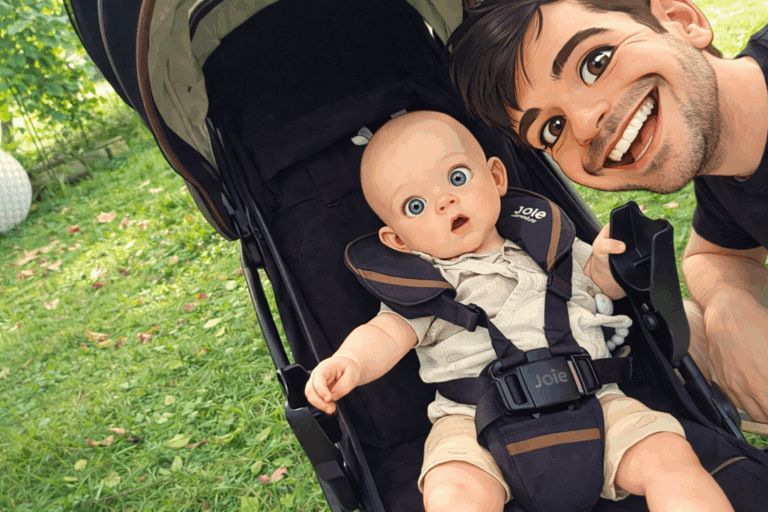
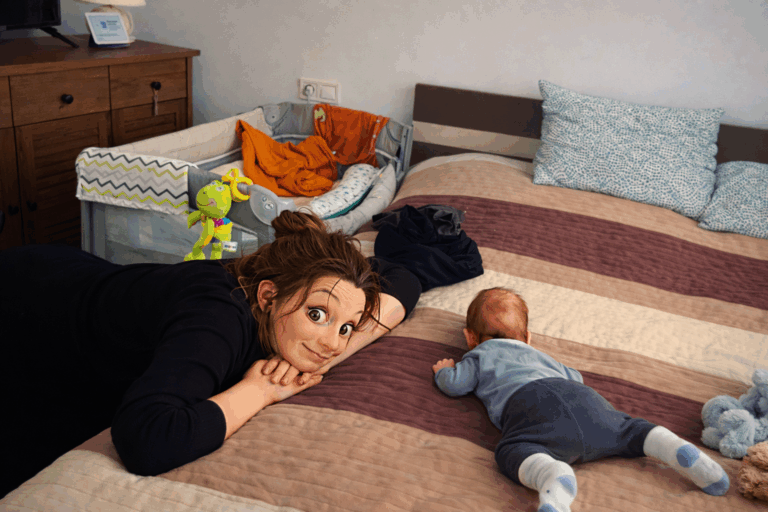
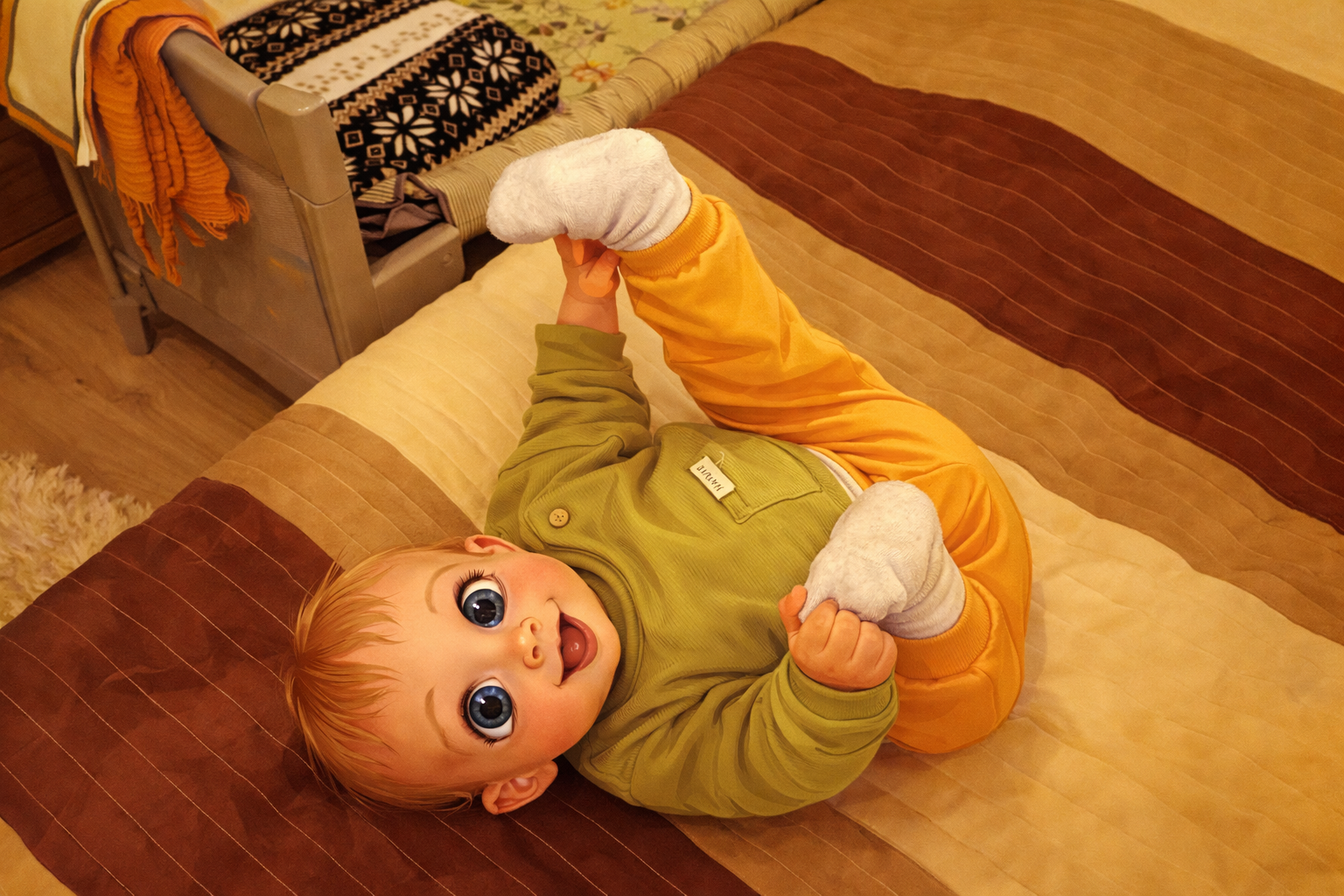
To protect our family’s privacy, all images on this blog are real-life moments, visually transformed into cartoon-style illustrations using AI. The stories are real. The emotions are real. The people are real. The art style is simply our way of keeping intimacy safe.