First Pediatrician Visit: What We Learned (and What We Almost Got Wrong)
Or simply put: how your first doctor visit can quietly save your sanity.
Becoming Parents Comes With Questions. A Lot of Them.
When you leave the maternity ward with your first baby, no one really hands you a manual.
In our case, the instructions were… minimal.
We were told:
- panic only if Mike’s poop turns black or bright green,
- see the family doctor after one month,
- good luck 🍀
That was it.
So we did what most first-time parents do:
we went home, stared at our tiny human, and started questioning everything.
Was he eating enough?
Was he crying too much?
Too little?
Was that normal baby behavior or something we should Google at 3 a.m.?
Spoiler: it was exhausting.
Why We Didn’t Wait a Month to See a Pediatrician
We decided to take Mike to a pediatrician at two weeks old, not after a month.
And we didn’t go to the family doctor.
Andy, to be honest, doesn’t fully trust family doctors—past experiences weren’t great—and since Mike was born prematurely, we wanted:
- someone specialized
- experienced
- calm
- and aligned with a modern, balanced parenting approach
We specifically looked for:
- a young pediatrician, closer to our generation
- someone working in a public hospital (state system = broader medical exposure)
- a doctor who treats parents with empathy, not judgment
That combination turned out to be… exactly what we needed.
Feeding a Newborn: Where We Were Getting It Wrong
When we left the hospital, we were told to feed Mike 40 ml per meal.
Sounds simple, right?
Well… not really.
Because:
- Andie had serious blood pressure issues after birth,
- breastfeeding directly wasn’t possible,
- we alternated formula with expressed breast milk,
- everything felt like trial and error.
Mike often cried after feeding.
We assumed:
- maybe formula causes colic,
- maybe breast milk causes gas,
- maybe we’re just bad at this.
We changed quantities.
We switched timing.
We overthought everything.
At the pediatrician, the answer was surprisingly simple:
👉 He wasn’t eating enough.
What the Pediatrician Explained (That No One Else Did)
The doctor told us something that instantly changed everything:
- Don’t fixate on the 40 ml rule, especially with breast milk;
- a baby will stop when full;
- spitting up is normal (as long as it’s not forceful vomiting);
- hunger looks different in every baby.
And the big one:
👉 We were unintentionally keeping him hungry.
Because Mike was premature, we were also told:
- wake him every 2 hours to eat,
- even if he sleeps peacefully…
- for the first 3 months.
He was measured.
Weighed.
Checked thoroughly.
Everything was fine – except his weight.
Once we adjusted feeding properly, things improved fast.
Why the First Pediatrician Visit Matters More Than You Think
Here’s the truth no one tells you:
You don’t make mistakes because you’re a bad parent.
You make mistakes because you’re new.
You’re tired.
You care too much.
You want to do everything right.
And without proper guidance, small things can easily be missed.
That first pediatrician visit:
- reassured us,
- educated us,
- removed unnecessary guilt,
- gave us confidence.
Not fear. Not pressure.
Just clarity.
How to Choose the Right Pediatrician for Your Child
Our honest recommendation:
✔️ look for experience + empathy,
✔️ choose someone aligned with your parenting values,
✔️ don’t ignore your instincts,
✔️ ask questions – lots of them.
If you find the right pediatrician, you’re incredibly lucky.
That person may be:
- your guide,
- your safety net,
- your calm voice…
…for the next 18 years
Parenting in the first 3 months
Parenting isn’t about being perfect. Especially during those 3 months.
It’s about being attentive, curious, and brave enough to ask for help.
If you feel overwhelmed, confused, or unsure –
well, you’re probably doing it right.
Privacy & Image Disclaimer
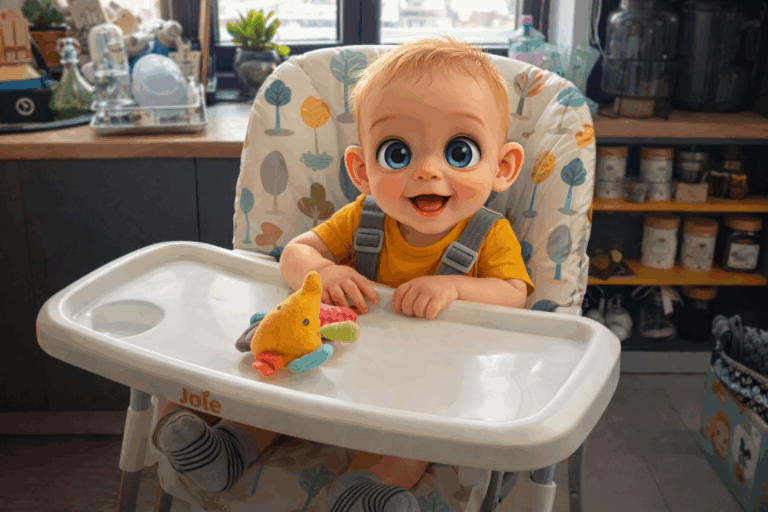
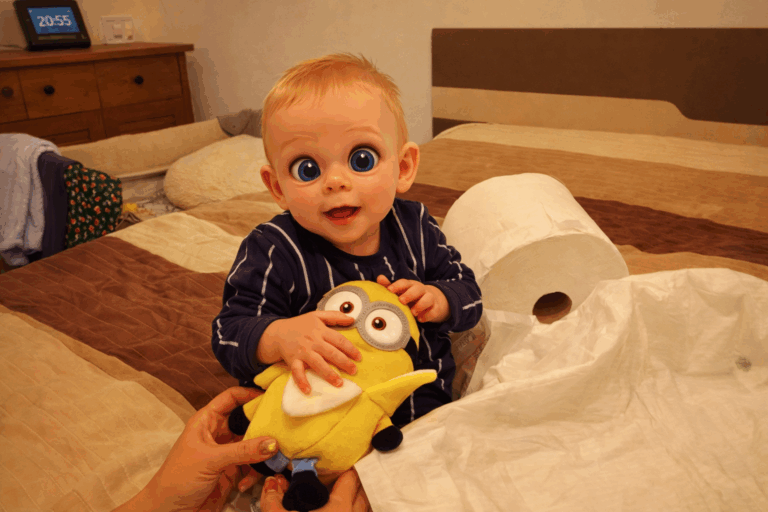
To protect our family’s privacy, all images on this blog are real-life moments, visually transformed into cartoon-style illustrations using AI. The stories are real. The emotions are real. The people are real. The art style is simply our way of keeping intimacy safe.