Toddler Pneumonia After Daycare: What We Learned From Constant Illnesses
When Mike started daycare, we expected colds.
Every parent warns you.
“Your child will be sick constantly.”
We nodded politely like people who understood what that meant.
We did not understand.
Not even close.
Our Daycare Transition Was Slow – On Purpose
Mike started daycare in September.
At first, he only stayed from 8 AM until noon. No nap there. No full schedule.
That setup lasted months.
Not because daycare required it, because Mike needed it.
He’s naturally more reserved, more observant, more emotionally cautious in new environments.
We never wanted to throw him into a full-day program just because other children handled it differently.
So we adapted to him.
At the beginning:
- he barely ate there,
- played mostly alone,
- stayed quiet,
- watched everything carefully before participating.
But slowly, thanks to patient teachers and time, things changed.
He relaxed. He started eating better. Playing more. Smiling more.
And eventually, something beautiful happened:
he came to us himself and said he wanted to sleep there too.
That mattered a lot to us.
Because it wasn’t forced.
It was his decision.
Then Came the Endless Daycare Illnesses
Unfortunately, shortly after he started sleeping there at daycare, the illnesses exploded.
And I really mean exploded.
We entered the classic daycare cycle:
- 3 days at daycare,
- 2 weeks at home sick,
- repeat forever.
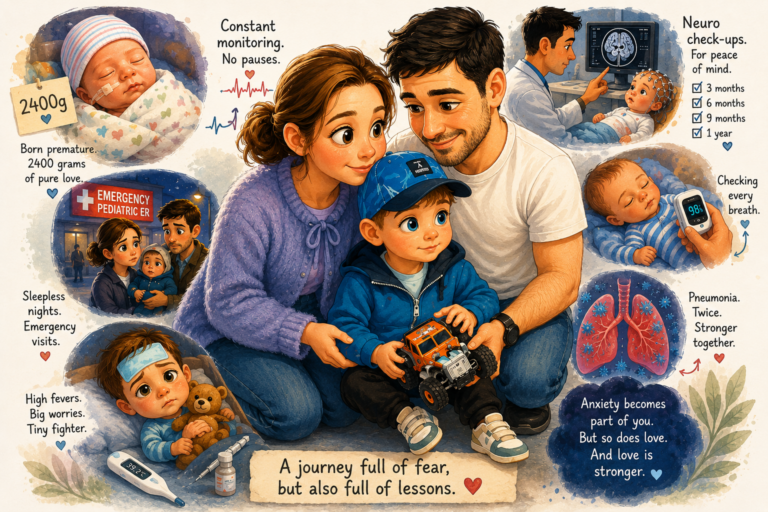
At one point, he developed pneumonia twice within three weeks. That’s when things stopped feeling like “normal daycare sickness.”
Suddenly we weren’t just dealing with mild colds anymore.
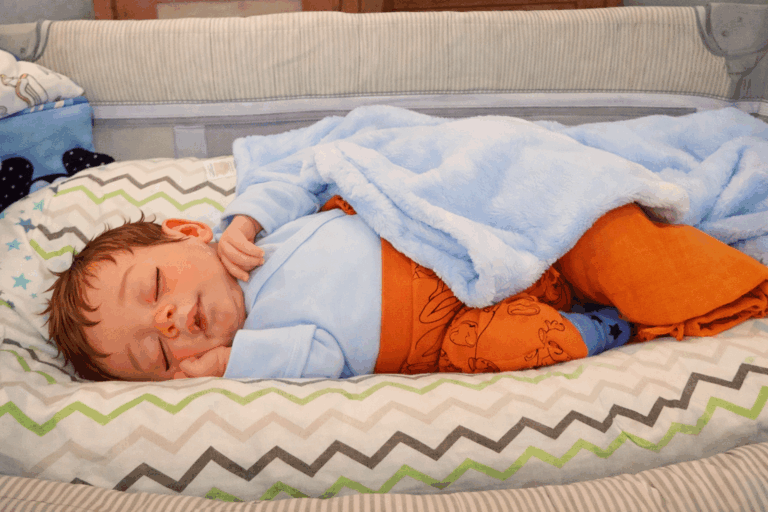
We were monitoring breathing, oxygen, fevers, antibiotics, emergency visits, blood tests, and chest X-rays.
Eventually we made the difficult decision to keep him home from daycare for two months so his body could recover properly.
Nobody Talks About the Emotional Exhaustion of Constant Child Illness
People often joke about daycare germs.
But living through it is different.
You stop making plans because somebody is always sick.
You become weirdly skilled at:
- checking temperatures half asleep,
- recognizing different types of coughs,
- understanding breathing sounds,
- washing nebulizers,
- and discussing mucus colors like it’s a medical specialty.
At some point you also stop knowing what day it is.
Especially when you’re alternating:
- daycare,
- home recovery,
- doctor appointments,
- pharmacy visits,
- and sleepless nights.
We Also Learned That Some Children Are Simply More Sensitive
After many investigations, we eventually discovered why simple colds escalated so aggressively for Mike.
And honestly?
Getting answers helped emotionally.
Because when your child gets sick constantly, you start questioning everything:
- daycare,
- parenting,
- nutrition,
- sleep,
- yourself.
But sometimes there’s an actual medical explanation behind repeated complications. And sometimes children simply need more time for their immune systems to mature.
What Actually Helped Us During This Period
1. Slowing down
We stopped forcing daycare attendance just to “keep routine.” Health mattered more.
2. Accepting that recovery takes time
Especially after pneumonia.
3. Avoiding comparison
Some toddlers rarely get sick. Others catch everything.
That doesn’t mean you failed.
4. Supporting emotional safety
Mike already finds social adaptation emotionally tiring. Adding constant illness on top of that was overwhelming for him.
So we focused more on comfort than performance.
Daycare Helped Him Grow – Even With the Challenges
Despite everything, daycare also helped Mike enormously.
He became:
- more independent,
- more confident,
- more social,
- more communicative.
It just happened slowly. In his own way.
And honestly, that’s becoming one of the biggest lessons of our parenting journey:
Not everything needs to happen fast to happen well.
Privacy & Image Disclaimer
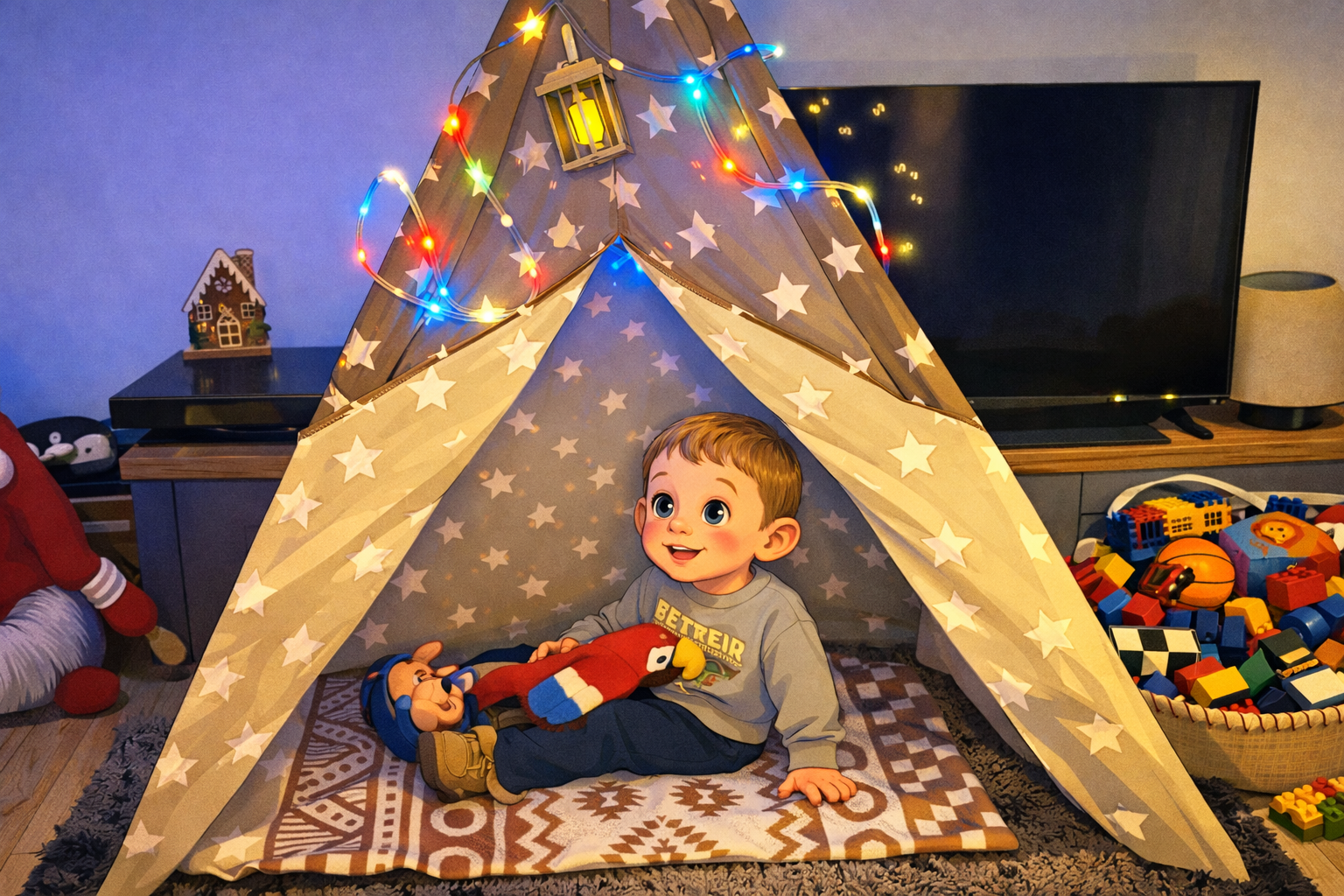
To protect our family’s privacy, all images on this blog are real-life moments, visually transformed into cartoon-style illustrations using AI. The stories are real. The emotions are real. The people are real. The art style is simply our way of keeping intimacy safe.