How We Handle Toddler Meltdowns Without Yelling (And Why They Rarely Happen)
If you’re reading this, chances are you’ve googled something like “toddler tantrums”, “why does my toddler cry for no reason” or “how to calm a toddler without yelling.”
We’ve been there too. Or… almost there.
Mike is almost 3 years old now, and while he does have emotions (big ones), full-blown toddler meltdowns are rare in our house. Not because he’s “special”, not because we’re perfect parents, and definitely not because we found some magic parenting hack on the internet.
It’s mostly about how we prepare him, not how we react when things explode.
Toddler Meltdowns Are Not Bad Behavior. They’re a Skill Gap
This was one of the first mindset shifts that helped us relax as parents.
A toddler meltdown is not:
- manipulation,
- stubbornness,
- bad manners.
A meltdown is simply this:
👉 your child doesn’t yet have the skills to handle disappointment, transitions or frustration.
Toddlers don’t calm themselves. They borrow calm from adults.
Why Mike Rarely Has Tantrums (Spoiler: It Starts Before the Moment)
Most meltdowns don’t start when the crying starts.
They start before that, when expectations are unclear.
Example: screen time (yes, the famous one 📺)
Mike does watch age-appropriate cartoons sometimes. When we stop them, he might ask:
“One more?”
Here’s what we don’t do:
❌ sudden shutdown
❌ “Because I said so”
❌ turning it off mid-episode
Here’s what we do instead.
Talking Before Acting: Our Go-To Toddler Strategy
Before we start a cartoon, we talk.
Something like:
“We’re going to watch one episode. When it ends, we turn it off. Is that okay?”
Mike answers. He agrees. Sometimes we even ask him to promise.
And here’s the interesting part:
Most of the time, he keeps his word.
Not because he’s unusually obedient, but because:
- he knows what’s coming,
- it feels like his choice,
- there are no surprises.
Predictability = safety for toddlers.
Transitions Are Hard for Toddlers (But They Don’t Have to Be Dramatic)
Whether it’s:
- turning off cartoons,
- going to sleep,
- leaving the park,
- stopping playtime,
the issue is rarely what you’re doing.
It’s how suddenly you’re doing it.
We always announce transitions:
- “Five more minutes”
- “After this, we go to bed”
- “Last time on the slide”
This gives Mike time to adjust emotionally.
What We Do When Emotions Still Show Up
Because yes, he’s human. And he’s almost 3.
If he gets upset:
- we stay close,
- we speak calmly,
- we don’t threaten,
- we don’t punish emotions.
We might say:
“I know you’re upset. You wanted more. It’s hard.”
That’s it. No lectures. No fixing.
Feeling understood often calms him faster than any distraction.
Why We Don’t Yell (Even When It’s Hard)
We’re not saints. We get tired. We get overstimulated.
But we’ve noticed something important:
Yelling doesn’t teach calm, it teaches fear.
And fear might stop the behavior now, but it creates bigger problems later.
We’d rather:
- take a breath,
- step away for a second,
- reset.
And yes, sometimes we need the timeout more than he does 😅
Toddlers Need Guidance, Not Control
Mike doesn’t need us to control him.
He needs us to guide him through emotions he doesn’t yet understand.
That’s the whole game.
No tricks. No punishments. No power struggles.
Just clarity, calm and connection.
What This Approach Gave Us (So Far)
At almost 3 years old, Mike:
- understands boundaries,
- handles transitions better,
- expresses what he wants,
- feels safe saying “I’m upset”.
And most importantly, our home is calm most of the time.
Not perfect. Just peaceful.
Final Thought
Toddler meltdowns aren’t something to “fix.”
They’re something to walk through together.
When you stop seeing them as a problem and start seeing them as communication, everything changes.
And honestly?
Parenting becomes a lot less loud, and a lot more human ❤️
Privacy & Image Disclaimer
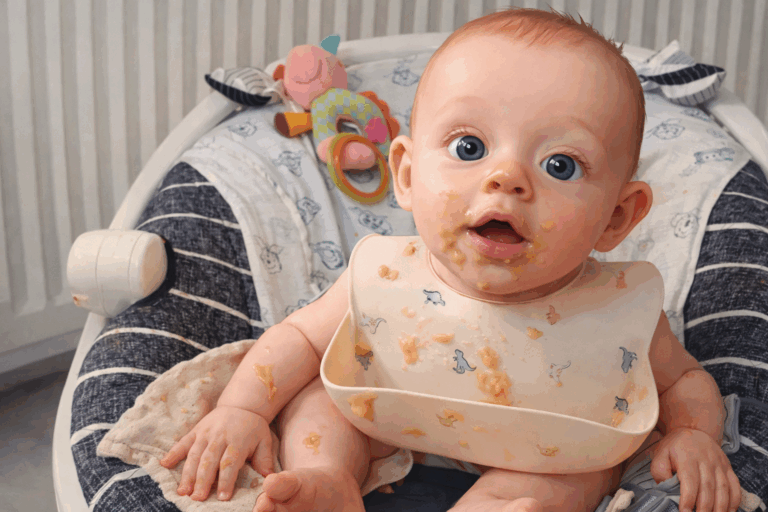
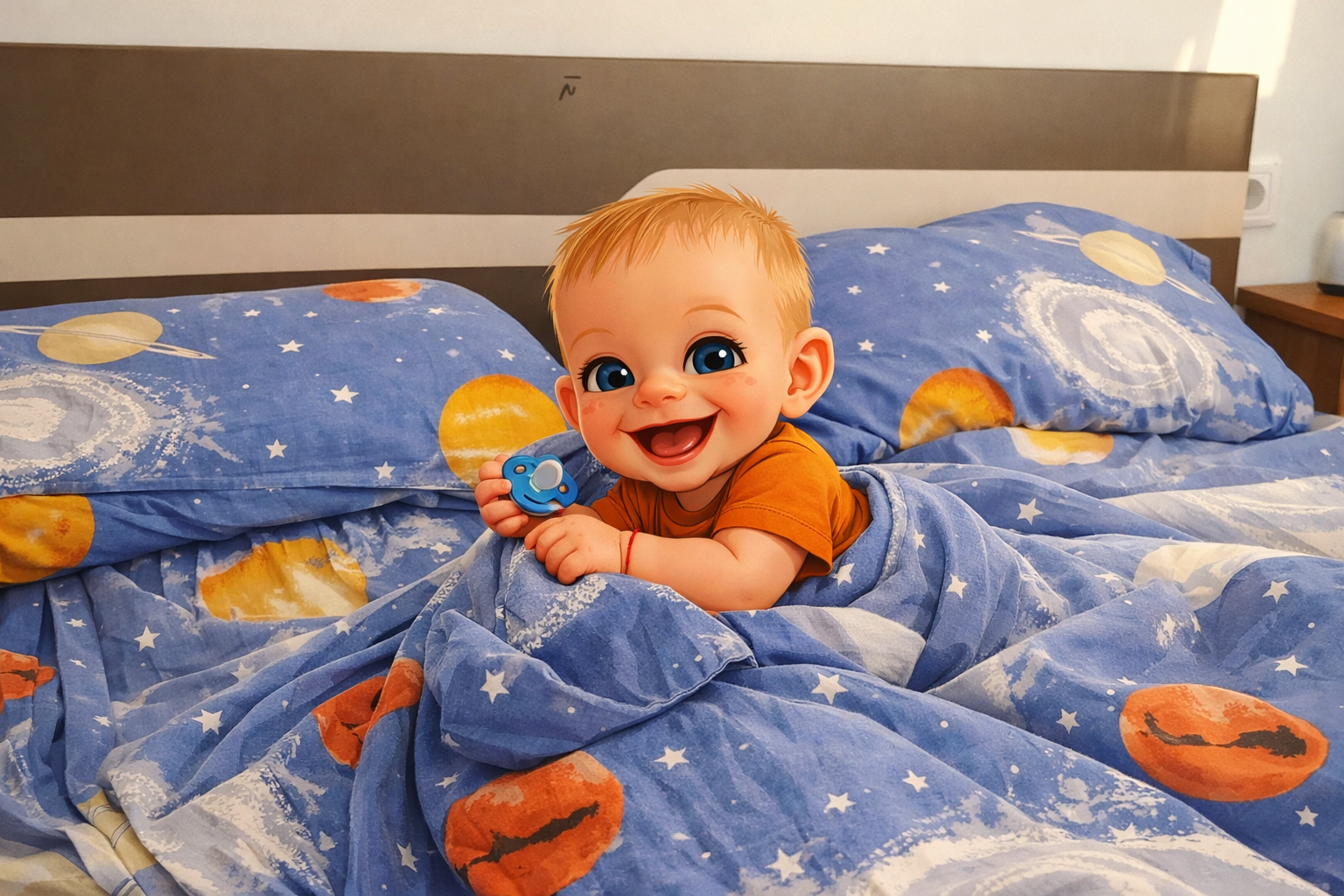
To protect our family’s privacy, all images on this blog are real-life moments, visually transformed into cartoon-style illustrations using AI. The stories are real. The emotions are real. The people are real. The art style is simply our way of keeping intimacy safe.